
Introduction
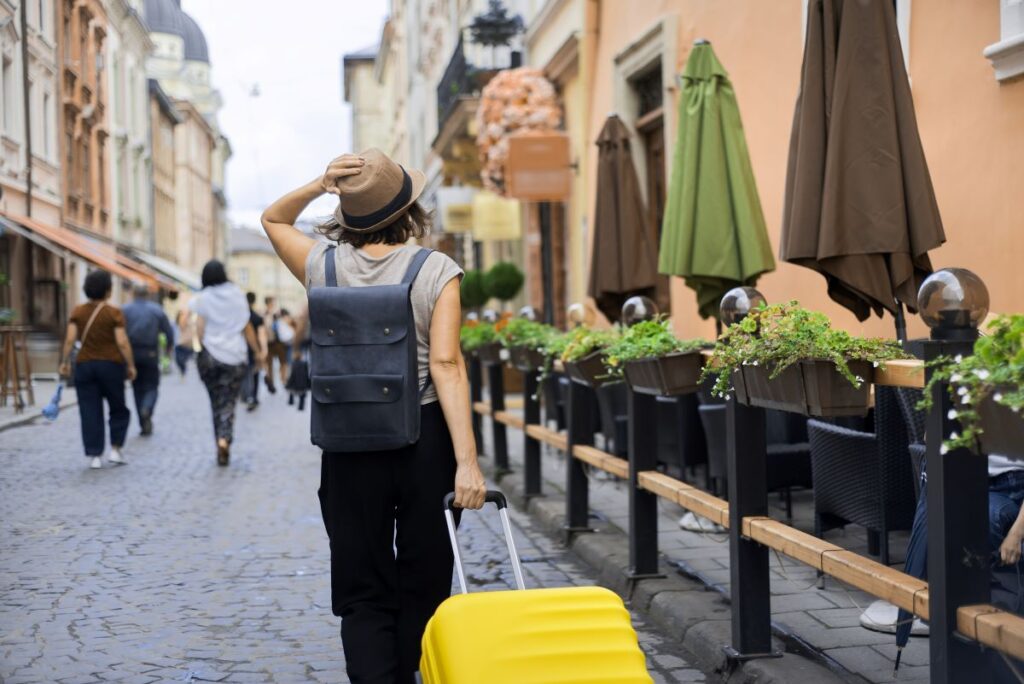
For decades, tourism was defined by speed. Travelers rushed from one attraction to another, ticking landmarks off their lists, capturing photos, and moving on within hours. This style of travel, often called fast tourism, promised efficiency but rarely delivered meaningful experiences. Today, a global shift is taking place. More travelers are choosing connection over convenience, depth over distance, and purpose over pressure. This movement is widely known as Slow Travel.
Slow Travel is not about traveling less but about traveling better. It emphasizes spending more time in one destination, understanding local culture, supporting communities, and creating authentic memories instead of rushed itineraries. From digital nomads staying months in one city to families choosing countryside villages over crowded capitals, this approach is reshaping how the world explores.
As environmental awareness grows and burnout becomes common, travelers are questioning the traditional tourism model. The desire to escape packed schedules, overtourism, and superficial experiences has fueled the rise of Slow Travel across continents. What once felt like a niche philosophy is now becoming the future of global tourism.
In this article, we explore why Slow Travel is replacing fast tourism worldwide, how it benefits travelers and destinations alike, and why this mindful approach is no longer a trend but a lasting transformation.
What Is Slow Travel
Slow Travel is a travel philosophy that encourages meaningful, immersive, and conscious exploration. Instead of visiting multiple cities in a short time, travelers focus on fewer places and stay longer. The goal is not how many destinations you visit but how deeply you experience them.
At its core, Slow Travel values presence. It invites travelers to live like locals, use local transportation, eat regional food, learn traditions, and participate in daily life rather than observe it from a distance.
This approach originated from the broader slow movement which began in Italy as a response to fast food culture. Just as slow food promotes local cuisine and sustainable farming, Slow Travel promotes thoughtful journeys that respect people, culture, and the environment.
Key principles of Slow Travel include:
Spending extended time in one destination
Prioritizing cultural immersion
Reducing environmental impact
Supporting local businesses
Creating emotional and personal connections
Rather than rushing through museums and monuments, Slow Travel encourages moments such as morning walks in neighborhood streets, conversations with locals, and discovering hidden places not found in guidebooks.
The Decline of Fast Tourism
Fast tourism dominated the travel industry for years. Package tours, cruise itineraries, and short city breaks promised maximum sightseeing in minimum time. However, the flaws of this approach have become increasingly visible.
Travelers often return exhausted instead of refreshed. Tight schedules leave little room for spontaneity. Iconic locations become overcrowded, reducing their charm and damaging local infrastructure.
Many tourists now realize that seeing ten cities in ten days does not necessarily mean understanding any of them.
Major Problems Caused by Fast Tourism
| Issue | Impact |
|---|---|
| Overtourism | Overcrowded cities and damaged heritage sites |
| Environmental harm | Increased carbon emissions and waste |
| Cultural erosion | Local traditions turning into performances |
| Traveler burnout | Stressful schedules and travel fatigue |
| Economic imbalance | Profits going to large corporations instead of locals |
These challenges have pushed both travelers and destinations to search for alternatives. Slow Travel emerged as a natural response.
Why Travelers Are Choosing Slow Travel
The shift toward Slow Travel is driven by emotional, environmental, and lifestyle changes happening worldwide.
1. Desire for Meaningful Experiences
Modern travelers want stories, not souvenirs. They seek experiences that leave emotional value rather than just photos. Slow Travel allows deeper connections with people and places, making journeys more memorable.
Staying longer enables travelers to understand daily rhythms, local customs, and social life. This level of engagement cannot be achieved during rushed visits.
2. Mental Health and Burnout Awareness
Fast tourism often feels like work. Constant packing, airport queues, and rigid itineraries increase stress. In contrast, Slow Travel promotes rest and balance.
Travelers now view vacations as opportunities for mental renewal rather than achievement-based experiences. Slowing down aligns naturally with wellness-focused lifestyles.
3. Remote Work and Digital Nomadism
The rise of remote work has played a major role in popularizing Slow Travel. People are no longer limited to short holiday windows. Many professionals now live weeks or months in one destination while working online.
This lifestyle encourages renting apartments, using coworking spaces, and integrating into local communities instead of behaving like short-term tourists.
4. Cost Efficiency Over Time
Although Slow Travel may seem expensive at first, it often becomes more economical. Long-term stays reduce accommodation costs, transportation expenses, and dining prices.
Instead of paying premium tourist rates, travelers access local pricing and live more sustainably.
Environmental Benefits of Slow Travel
Environmental responsibility has become a major factor influencing travel decisions. Slow Travel aligns closely with eco-conscious values.
By traveling less frequently but staying longer, carbon emissions are significantly reduced. Fewer flights, less transportation, and lower consumption help minimize environmental damage.
Environmental Comparison Table
| Aspect | Fast Tourism | Slow Travel |
|---|---|---|
| Flights | Multiple short flights | Fewer long stays |
| Waste | High disposable usage | Reduced consumption |
| Transport | Tour buses and taxis | Walking and public transport |
| Energy use | Hotels with heavy turnover | Local housing efficiency |
| Nature impact | High pressure on hotspots | Distributed tourism |
Slow Travel supports conservation efforts by spreading tourism beyond overcrowded destinations and encouraging responsible behavior.
Cultural Preservation Through Slow Travel
One of the strongest advantages of Slow Travel is its positive effect on local culture.
Fast tourism often turns cultural experiences into commercial performances. Traditions are simplified for mass consumption. In contrast, Slow Travel respects authenticity.
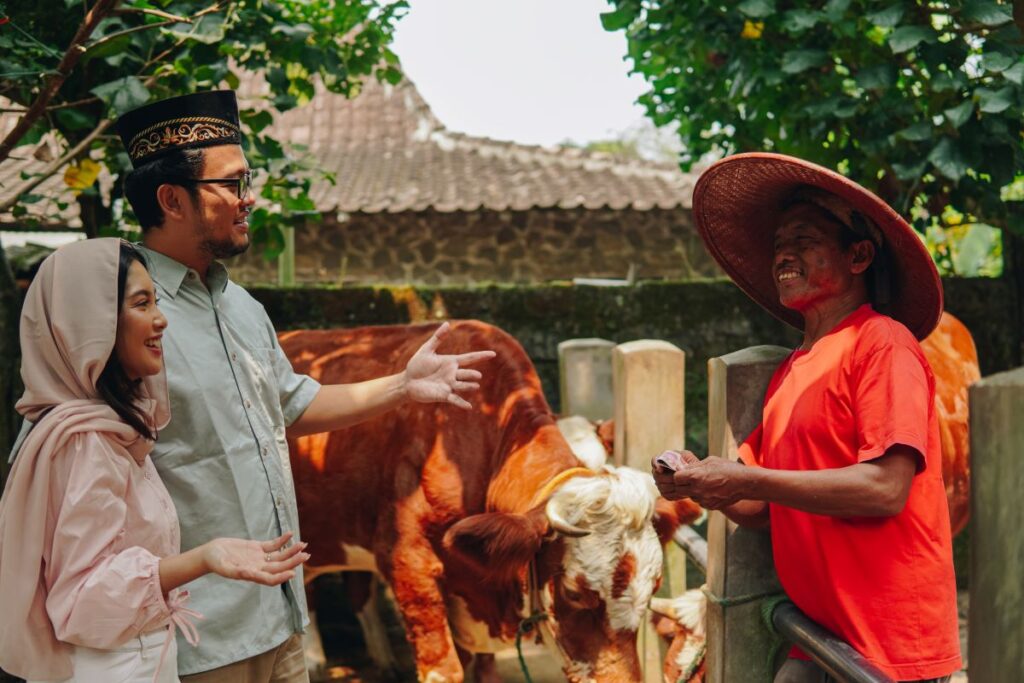
When travelers spend more time in a place, they naturally engage in genuine interactions. They attend local festivals, learn regional customs, and participate respectfully in community life.
This approach helps preserve cultural identity instead of diluting it.
Local residents also benefit emotionally. Instead of feeling overwhelmed by constant short-term visitors, communities build meaningful relationships with long-stay travelers.

Economic Impact of Slow Travel on Local Communities
Slow Travel significantly improves how tourism money flows within destinations. Unlike fast tourism, where large corporations dominate spending, slow travelers support small businesses.
They rent locally owned accommodations, shop from neighborhood markets, eat at family-run restaurants, and use local services.
Economic Comparison Table
| Spending Area | Fast Tourism | Slow Travel |
|---|---|---|
| Accommodation | International hotel chains | Local apartments and homestays |
| Food | Tourist restaurants | Local eateries |
| Shopping | Souvenir shops | Local artisans |
| Transportation | Tour companies | Local transit |
| Employment | Seasonal jobs | Stable income |
This sustainable spending helps communities grow without becoming dependent on mass tourism.
How Destinations Are Adapting to Slow Travel
Countries and cities are beginning to recognize the value of Slow Travel. Many destinations now offer long-stay visas, digital nomad programs, and community-based tourism initiatives.
Examples include extended residence permits, rural tourism incentives, and cultural immersion programs.
Governments understand that attracting fewer but longer-staying visitors creates more stability and less strain on resources.
The Role of Technology in Slow Travel
Technology has not disappeared in Slow Travel. Instead, it supports smarter journeys.
Travelers use apps for language learning, local navigation, and cultural discovery. Online communities help slow travelers find neighborhoods instead of tourist zones.
Rather than speeding travel up, technology now helps people slow down wisely.
How Slow Travel Is Changing the Way People Plan Trips
Traditional travel planning focuses on maximizing destinations within limited time. It usually begins with a list of famous attractions followed by rushed schedules. Slow Travel completely changes this mindset.
Instead of asking “How many places can I visit,” travelers now ask “How deeply can I experience one place.”
Planning for Slow Travel involves researching neighborhoods rather than landmarks, understanding seasonal life patterns, and choosing experiences that align with daily local routines.
Travelers often plan around:
Local markets and food culture
Community events and festivals
Walkable areas instead of tourist centers
Public transportation routes
Opportunities for learning language or crafts
This shift transforms travel planning from checklist-based to experience-based.
Slow Travel vs Traditional Tourism
The difference between Slow Travel and traditional tourism becomes clear when comparing intent, pace, and outcomes.
| Category | Traditional Tourism | Slow Travel |
|---|---|---|
| Travel pace | Fast and rushed | Calm and flexible |
| Stay duration | 2 to 4 days | Several weeks or months |
| Experience depth | Surface-level | Deep cultural immersion |
| Accommodation | Hotels | Local homes and rentals |
| Interaction | Limited | Meaningful |
| Memory value | Short-lived | Long-lasting |
This comparison explains why many travelers never return satisfied from fast trips but remember slow journeys for a lifetime.
Why Younger Generations Prefer Slow Travel
Millennials and Gen Z travelers are leading the global shift toward Slow Travel. Their priorities differ significantly from previous generations.
They value experiences over luxury, sustainability over status, and authenticity over appearances.
Social media has also influenced this behavior. Instead of posting famous landmarks, travelers now share daily life moments, remote work setups, street food discoveries, and hidden neighborhoods.
Slow Travel fits naturally into this storytelling style because it allows time for genuine exploration.
Additionally, younger travelers are more conscious of environmental responsibility. Many actively avoid destinations suffering from overtourism and seek alternatives that benefit local communities.
Best Destinations for Slow Travel Worldwide
Slow Travel is not limited to one region. It thrives in places that encourage walkability, community living, and cultural depth.
Europe
Southern and Eastern Europe remain popular for Slow Travel due to affordable living and strong local culture.
Ideal destinations include small towns in Italy, Portugal, Greece, and Slovenia. These areas allow travelers to integrate easily into daily life.
Asia
Asia offers exceptional Slow Travel opportunities due to its hospitality culture and cost efficiency.
Countries such as Thailand, Vietnam, Indonesia, and Japan allow long stays, rich traditions, and strong community interactions.
Latin America
Many travelers choose Mexico, Colombia, and Peru for Slow Travel because of their vibrant neighborhoods, local markets, and welcoming social environments.
Rural and Countryside Areas
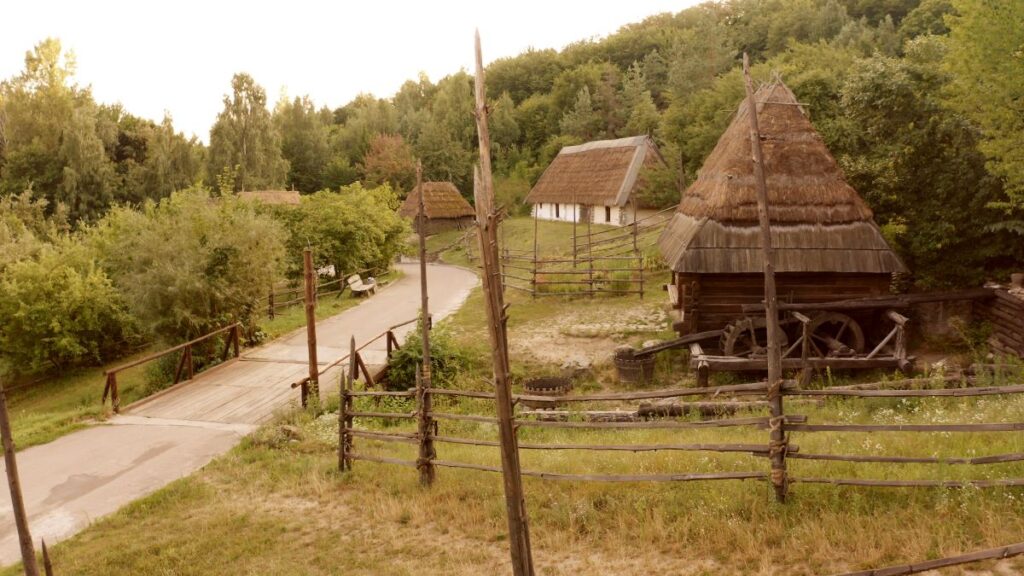
Slow Travel is also expanding beyond cities. Villages, coastal towns, and mountain regions attract travelers seeking peace, nature, and simplicity.
The Role of Accommodation in Slow Travel
Accommodation plays a major role in shaping the Slow Travel experience.
Hotels are designed for short stays and convenience. Slow Travel favors living spaces that feel like home.
Common accommodation choices include:
Serviced apartments
Homestays
Long-term rentals
Eco lodges
Community guesthouses
These options encourage interaction with neighbors and participation in local routines.
Living in residential areas also helps travelers avoid tourist pricing and understand real community life.
Food Culture and Slow Travel
Food is one of the most powerful ways to connect with a destination.
Slow Travel allows time to explore local cuisine beyond restaurant menus. Travelers visit farmers’ markets, learn regional recipes, and understand seasonal ingredients.
Instead of eating international fast food, slow travelers embrace:
Home-cooked meals
Street food traditions
Family-run eateries
Local cooking classes
This deepens cultural understanding and supports small-scale food businesses.
How Slow Travel Supports Sustainable Tourism
Sustainable tourism is no longer optional. It is necessary.
Slow Travel supports sustainability by reducing pressure on popular destinations and spreading visitors across less crowded regions.
It promotes:
Lower carbon emissions
Reduced waste
Respect for wildlife
Protection of heritage sites
Long-term community benefits
Many governments now recognize that sustainability and tourism growth must coexist, and Slow Travel offers a realistic solution.
Psychological Benefits of Slow Travel
Beyond environmental and cultural benefits, Slow Travel has powerful psychological effects.
Travelers often report:
Lower anxiety levels
Better sleep routines
Stronger emotional fulfillment
Improved creativity
Greater self-awareness
By removing constant movement, people regain mental clarity. Slow Travel creates space for reflection and personal growth.
It transforms travel into a healing experience rather than a performance.
Common Misconceptions About Slow Travel
Despite its growing popularity, several misconceptions still exist.
Slow Travel is not boring
Some believe slower travel lacks excitement. In reality, deeper experiences create stronger emotional impact.
Slow Travel is not only for retirees
Remote workers, freelancers, families, and young travelers actively practice Slow Travel worldwide.
Slow Travel does not require luxury
It often costs less than traditional tourism due to local living expenses.
Understanding these misconceptions helps more travelers feel confident embracing this approach.
How to Start Your Slow Travel Journey
Beginning Slow Travel does not require dramatic changes.
You can start by:
Choosing one destination instead of multiple
Extending your stay by a few days
Exploring neighborhoods instead of attractions
Using local transport
Engaging in everyday activities
Slow Travel is flexible and personal. There is no strict rulebook.
The Future of Global Tourism
The global tourism industry is undergoing one of its biggest transformations in history. Travelers are no longer impressed by how many countries they visit in a single trip. Instead, they are measuring travel success by emotional value, personal growth, and connection.
Slow Travel is shaping this future by encouraging intentional journeys rather than rushed movement. As climate awareness rises and lifestyle priorities shift, destinations are redesigning tourism models to focus on quality rather than quantity.
Many experts predict that future tourism growth will rely on:
Long-stay visitors instead of short-term crowds
Community-led tourism programs
Eco-friendly accommodations
Cultural exchange initiatives
Remote work friendly infrastructure
These developments strongly align with the principles of Slow Travel, making it a long-term solution rather than a temporary trend.
How Slow Travel Is Influencing the Travel Industry
Travel companies, airlines, and governments are adjusting their strategies to match changing traveler behavior.
Industry-Level Changes
| Industry Area | Traditional Approach | Slow Travel Approach |
|---|---|---|
| Airlines | Frequent short trips | Fewer but longer journeys |
| Hotels | Night-based pricing | Monthly stay discounts |
| Tourism boards | Landmark promotion | Lifestyle promotion |
| Travel agencies | Package tours | Custom long-stay experiences |
| Visa policies | Short-term stays | Digital nomad and long-stay visas |
Countries offering long-term visas are attracting travelers who contribute consistently to local economies instead of overwhelming them seasonally.
Why Slow Travel Creates More Meaningful Memories
Human memory is emotional, not visual. While fast tourism focuses on photos, Slow Travel focuses on feelings.
When travelers spend time in one place, memories form through repetition and familiarity. Simple routines like visiting the same cafe or greeting the same shop owner become emotionally significant.
These moments cannot be captured through quick visits. They require time, presence, and openness.
Slow Travel allows travelers to experience belonging rather than observation.
Slow Travel and Personal Growth
Many people discover personal transformation through Slow Travel.
Extended stays often lead to:
Improved patience
Greater adaptability
Stronger cultural empathy
Better communication skills
Increased self-confidence
Living in unfamiliar environments encourages problem-solving and emotional resilience. Travelers learn to navigate differences rather than avoid them.
This personal development is one of the strongest reasons Slow Travel continues gaining popularity worldwide.
Challenges of Slow Travel and How to Overcome Them
While Slow Travel offers many benefits, it also presents challenges that travelers should understand.
Common Challenges
| Challenge | Solution |
|---|---|
| Language barriers | Learn basic local phrases |
| Loneliness | Join community events or coworking spaces |
| Visa limitations | Research long-stay visa options |
| Routine fatigue | Balance routine with exploration |
| Cultural adjustment | Maintain openness and respect |
With proper preparation, these challenges become part of the learning experience rather than obstacles.
Why Slow Travel Is More Than a Trend
Trends fade when excitement disappears. Slow Travel continues growing because it solves real problems in modern tourism.
It reduces stress.
It protects the environment.
It supports communities.
It improves traveler well-being.
As people seek balance in every area of life, travel naturally follows the same philosophy.
Slow Travel represents a mindset shift rather than a movement.
What is Slow Travel and why is it becoming popular
Slow Travel is a travel approach focused on staying longer in one destination to experience local culture, daily life, and community connection. It is becoming popular because travelers want meaningful experiences instead of rushed sightseeing.
How is Slow Travel different from traditional tourism
Traditional tourism emphasizes visiting multiple places quickly, while Slow Travel focuses on fewer destinations with deeper cultural immersion and lower environmental impact.
Is Slow Travel more expensive than fast tourism
Slow Travel is often more affordable because long-term stays reduce accommodation costs, transportation expenses, and daily spending through local pricing.
Who should choose Slow Travel
Slow Travel is ideal for remote workers, digital nomads, families, solo travelers, and anyone seeking relaxation, cultural depth, and authentic experiences.
Can Slow Travel help the environment
Yes, Slow Travel reduces carbon emissions by limiting frequent transportation and encouraging sustainable living practices within local communities.
How long should a Slow Travel stay be
There is no fixed duration, but most slow travelers stay between two weeks and several months to fully experience local life.
Does Slow Travel work for short vacations
Yes, even extending a trip by a few extra days and focusing on one location can introduce the principles of Slow Travel.
Is Slow Travel suitable for families
Slow Travel works well for families because it reduces stress, provides stable routines, and offers educational cultural experiences for children.
How does Slow Travel help travelers avoid overcrowded tourist spots
Slow Travel encourages visitors to explore destinations beyond famous landmarks by spending more time in local neighborhoods and daily life. Instead of rushing through crowded attractions, travelers can discover authentic experiences such as hidden cafes, community spaces, and quiet streets that most tourists miss. A helpful comparison between local discoveries and mainstream sightseeing can be found in this guide on hidden cafes vs tourist attractions. By choosing Slow Travel, visitors naturally reduce overtourism while enjoying deeper cultural connections, a concept also supported by global sustainable tourism principles highlighted by organizations like the World Tourism Organization https://www.unwto.org.
Conclusion
The world is moving away from speed and toward meaning. Travel is no exception.
Slow Travel is replacing fast tourism worldwide because it offers something modern travelers deeply crave connection. By staying longer, traveling consciously, and engaging with local life, travelers rediscover the true purpose of exploration.
This approach benefits everyone involved. Travelers gain fulfillment and peace. Communities receive sustainable economic support. Destinations preserve their culture and environment.
As tourism continues evolving, one thing is clear. The future belongs to those who choose depth over distance.
Slow Travel is not about going nowhere slowly.
It is about going somewhere with intention.