
Introduction
When people plan a trip, their first instinct is usually to search for famous landmarks, iconic buildings, and popular Tourist Attractions. These places dominate social media, travel blogs, and guidebooks. They promise unforgettable memories, perfect photos, and a sense of having truly visited a destination. Yet many travelers return home feeling oddly disconnected, as if they saw everything but experienced very little.
Across the world, a quiet shift in travel culture is taking place. More travelers are stepping away from crowded Tourist Attractions and instead wandering into hidden cafes, narrow streets, local bakeries, and neighborhoods that rarely appear on maps. These lesser known spaces often create deeper memories, stronger emotional connections, and more authentic stories.
Hidden cafes and overlooked streets reveal how people actually live. They show the rhythm of daily life, the smells of local food, the conversations between neighbors, and the personality of a city beyond postcards. While Tourist Attractions show what a place wants the world to see, hidden corners reveal what the place truly is.
This article explores why hidden cafes and streets often matter more than Tourist Attractions. We will examine emotional value, cultural authenticity, travel psychology, economic impact, and how modern travelers are redefining meaningful exploration.
The Evolution of Travel Culture
Travel was once about checking boxes. Visit the monument. Take the photo. Move on. Tourist Attractions became symbols of accomplishment rather than understanding. The rise of package tours reinforced this mindset, moving travelers through fixed routes with little room for curiosity.
In recent years, however, travelers have begun seeking experiences instead of proof. Social media ironically accelerated this change. As millions of identical photos flooded timelines, the desire to stand out grew stronger. People wanted moments that felt personal rather than copied.
Hidden cafes and quiet streets offered something Tourist Attractions could not. Originality.
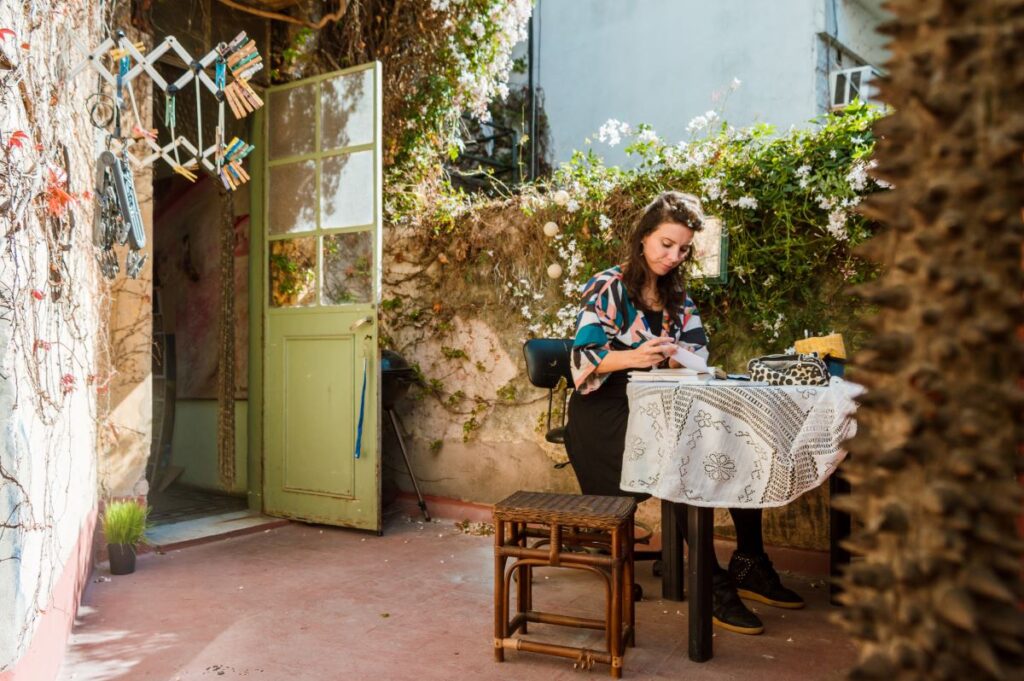
These spaces allow travelers to feel like explorers rather than spectators. Sitting in a small cafe where the menu is handwritten or walking through a street where laundry hangs from balconies creates emotional presence. You are not watching the destination. You are inside it.
Why Tourist Attractions Often Feel Disappointing
Tourist Attractions are not inherently bad. Many are historically important and visually stunning. However, their popularity creates problems that reduce emotional impact.
Overcrowding
Long queues, limited movement, and constant noise make it difficult to absorb the atmosphere. When hundreds of people compete for the same viewpoint, the experience becomes rushed.
Commercialization
Many Tourist Attractions become surrounded by souvenir shops, overpriced cafes, and aggressive marketing. The environment begins to feel staged rather than genuine.
Predictability
Before arriving, travelers already know what the attraction looks like. Photos, videos, and reels remove the element of discovery. When you finally stand there, the moment feels familiar instead of magical.
Emotional Distance
Tourist Attractions often tell stories of the past, but they rarely connect travelers to the present lives of locals.
Hidden cafes and streets solve these issues naturally. They are not crowded, not scripted, and not designed to impress. Their value comes from atmosphere rather than spectacle.
Hidden Cafes as Cultural Gateways

A small cafe can reveal more about a destination than its most famous monument.
In hidden cafes, locals gather before work, meet friends, read newspapers, or quietly observe the street. The way coffee is prepared, the music playing softly, and the design choices reflect regional habits.
Unlike Tourist Attractions, which present culture as a display, hidden cafes allow travelers to witness culture in motion.
What Hidden Cafes Reveal
| Element | What It Shows |
|---|---|
| Menu design | Local ingredients and eating habits |
| Seating style | Social behavior and pace of life |
| Opening hours | Daily rhythm of the city |
| Prices | Economic reality of residents |
| Conversation tone | Communication culture |
These details cannot be found at Tourist Attractions because those spaces are designed for visitors, not residents.
A traveler who spends an hour in a local cafe often learns more about the city than someone who rushes through five major Tourist Attractions in a single day.
The Power of Streets Without Fame
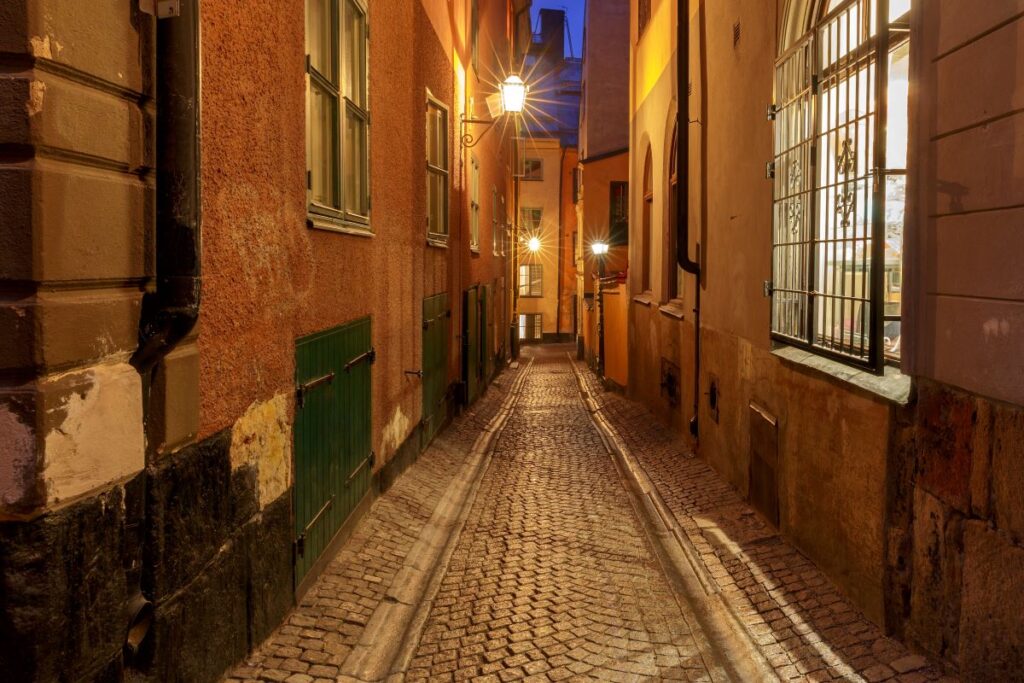
Famous streets attract attention. Ordinary streets tell stories.
Hidden streets hold the memory of a city. Children playing, shop owners greeting neighbors, old buildings mixed with new ones. These streets evolve naturally without tourism shaping their identity.
Walking through such streets allows travelers to sense how the city breathes.
Tourist Attractions often isolate visitors from local life. Streets reconnect them.
Emotional Differences Between Experiences
| Experience Type | Emotional Outcome |
|---|---|
| Tourist Attractions | Excitement then fatigue |
| Hidden cafes | Comfort and connection |
| Famous landmarks | Visual satisfaction |
| Local streets | Emotional immersion |
| Guided tours | Structured knowledge |
| Solo wandering | Personal discovery |
This emotional depth explains why many travelers remember a random evening walk more vividly than a famous monument.
Authenticity Versus Performance
Tourist Attractions often function like stages. Everything is curated, cleaned, and scheduled. While impressive, this environment can feel performative.
Hidden cafes and streets are unscripted.
There is no performance for tourists. No rehearsed smiles. No experience designed for reviews.
This authenticity creates trust. Travelers feel respected rather than targeted.
Authenticity also reduces pressure. You do not feel the need to capture the perfect photo or rush through highlights. You simply exist within the space.
How Hidden Places Create Stronger Memories
Psychology plays a major role in memory formation.
Memories become stronger when experiences include surprise, emotion, and personal involvement.
Tourist Attractions rarely surprise because expectations are already formed.
Hidden places do.
A quiet street discovered by accident or a cafe found while escaping rain activates curiosity and emotional engagement. These moments attach themselves to memory more deeply than planned stops.
That is why travelers often say
“I don’t remember the museum very clearly, but I’ll never forget that little cafe near the river.”
Supporting Local Communities
Tourist Attractions generate revenue but often concentrate profits in large corporations or government systems.
Hidden cafes and neighborhood streets distribute money directly to residents.
Choosing local spaces supports:
- Independent cafe owners
- Family businesses
- Neighborhood economies
- Cultural preservation
This economic impact is more sustainable and ethical.
Over tourism damages cities by raising rents, replacing local shops, and pushing residents away from historic areas. Supporting hidden places helps balance tourism’s footprint.
Slow Travel and Meaningful Exploration
The rise of slow travel reflects a rejection of checklist tourism.
Slow travel emphasizes depth over quantity. Instead of seeing everything, travelers choose to understand something.
Hidden cafes and streets align perfectly with this philosophy.
They encourage:
- Longer stays
- Repeated visits
- Local relationships
- Mindful observation
Tourist Attractions promote movement. Hidden places encourage stillness.
Both have value, but stillness often creates stronger emotional satisfaction.
Why Modern Travelers Are Changing Their Priorities

The modern traveler no longer measures a trip by the number of Tourist Attractions visited. Instead, the focus has shifted toward emotional value, personal stories, and authentic experiences. This change is largely driven by fatigue from overcrowded destinations and repetitive travel routines.
Many travelers now realize that seeing ten Tourist Attractions in one day often feels exhausting rather than fulfilling. Rushing from one landmark to another leaves little room for reflection or connection. As a result, people are intentionally slowing down and choosing fewer but richer experiences.
Hidden cafes and quiet streets offer exactly what modern travelers crave. These spaces allow time to sit, observe, and feel present. They provide an opportunity to absorb the environment instead of consuming it.
Another important factor is digital awareness. Travelers understand that many Tourist Attractions are heavily curated for online promotion. While visually impressive, they often lack emotional depth. Hidden places, on the other hand, feel spontaneous and personal, which makes them more meaningful.
This shift is not about rejecting Tourist Attractions entirely. It is about balancing them with spaces that feel real.
The Emotional Comfort of Hidden Cafes
Image suggestion: Cozy small cafe interior with warm lighting and local customers
Hidden cafes provide emotional comfort that large Tourist Attractions cannot offer. When you step into a small cafe tucked away from busy streets, the atmosphere instantly slows you down.
There is no pressure to move quickly. No queue behind you. No camera crowd waiting for the same shot.
Instead, you hear cups clinking, soft conversations, and sometimes local music playing quietly. These sensory details create a feeling of belonging even for a short moment.
Tourist Attractions often stimulate excitement, but hidden cafes create calm. This emotional contrast is important. Travel is not only about stimulation. It is also about rest, reflection, and emotional balance.
Many travelers remember how a cafe made them feel more than what a landmark looked like.
How Streets Shape a City’s Identity
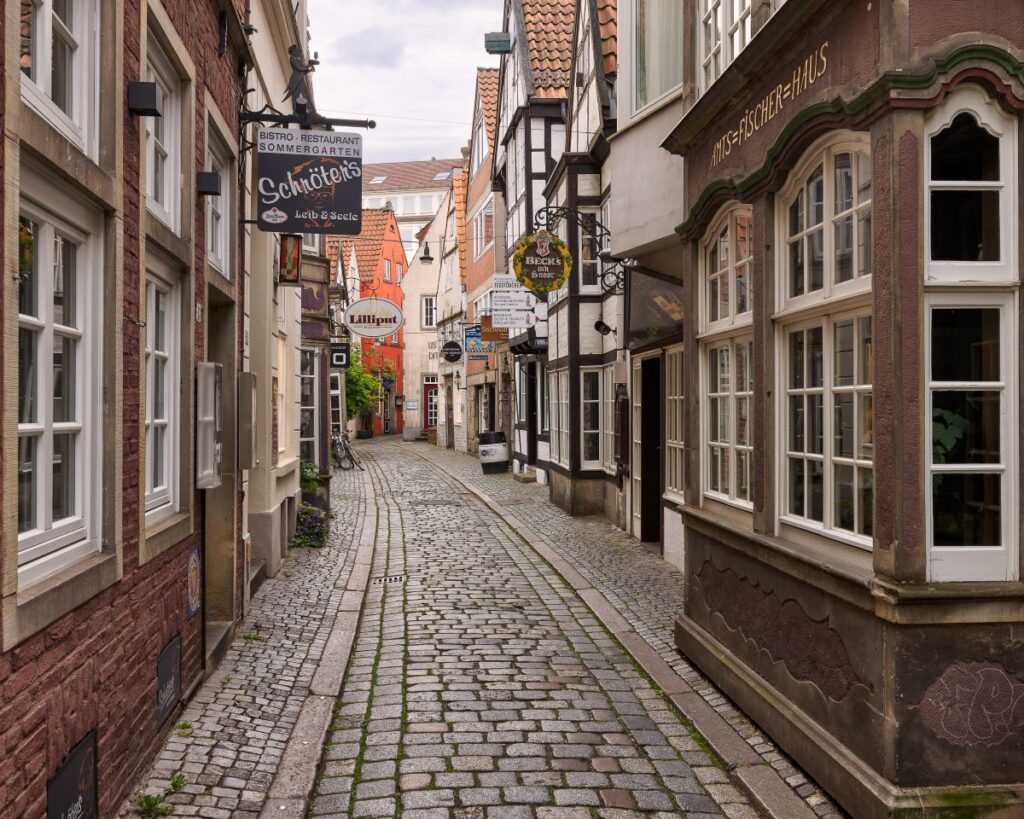
Streets are the veins of a city. While Tourist Attractions act as highlights, streets carry daily life. They show how people commute, shop, greet one another, and exist together.
Hidden streets preserve architectural layers that Tourist Attractions often sanitize. You may see buildings from different eras standing side by side, each telling a silent story.
Walking through such streets reveals:
- Local color choices on buildings
- Traditional signage styles
- Neighborhood rhythms
- Cultural contrasts between old and new
These elements form a city’s identity far more deeply than its most photographed sites.
Tourist Attractions Versus Local Exploration
The difference between Tourist Attractions and local exploration can be clearly understood through comparison.
| Aspect | Tourist Attractions | Hidden Cafes and Streets |
|---|---|---|
| Crowd level | High | Low |
| Emotional experience | Excitement | Connection |
| Authenticity | Curated | Natural |
| Time pressure | Constant | Flexible |
| Interaction with locals | Minimal | Frequent |
| Memory strength | Moderate | Strong |
This table explains why travelers increasingly value hidden spaces. While Tourist Attractions provide visual satisfaction, hidden places provide emotional meaning.
The Role of Curiosity in Travel Satisfaction
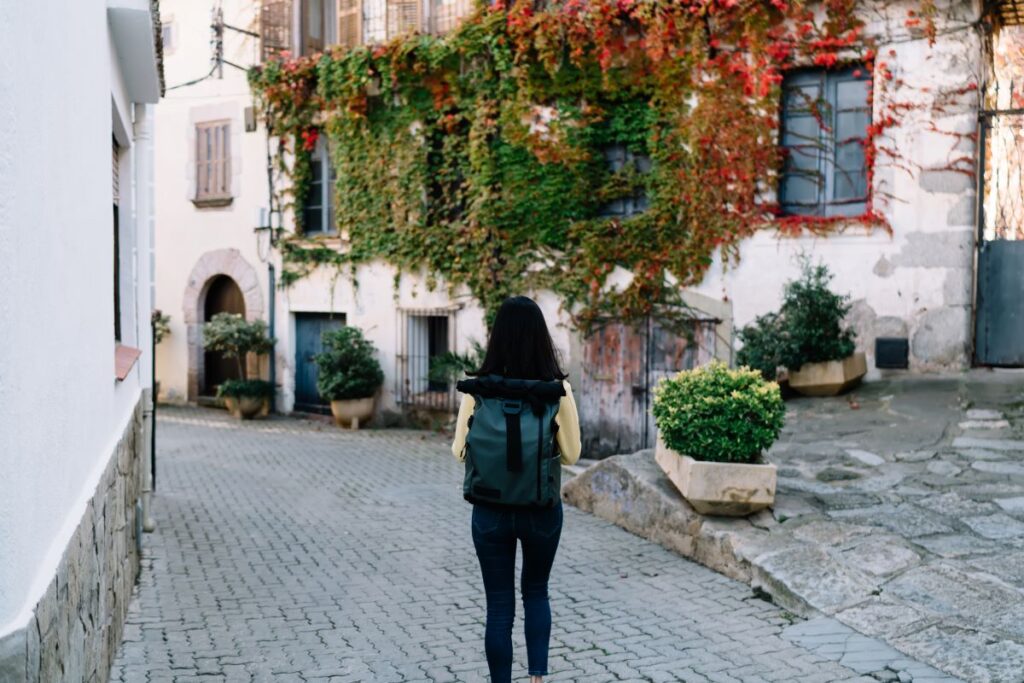
Image suggestion: Traveler looking into small alleyway with curiosity
Curiosity plays a powerful role in satisfaction. When travelers choose to explore without a strict plan, the experience becomes personal.
Hidden cafes and streets reward curiosity. Turning into an unfamiliar alley or following the smell of food often leads to unexpected discoveries.
Tourist Attractions rarely offer this feeling because everything is predetermined.
Curiosity activates learning and emotional engagement, making travel feel alive rather than scripted.
Why Over Tourism Is Changing Cities
Image suggestion: Crowded famous landmark with tourists taking photos
Over tourism has become one of the biggest challenges in popular destinations. Constant pressure from mass tourism transforms neighborhoods into commercial zones built solely around Tourist Attractions.
This leads to:
- Loss of local businesses
- Rising living costs
- Cultural dilution
- Resident displacement
Hidden cafes often disappear first when tourism becomes aggressive. Supporting them helps preserve the soul of a destination.
Choosing local spaces is not only a personal preference but also a responsible travel decision.
The Balance Between Famous and Forgotten
Image suggestion: Traveler enjoying coffee after visiting landmark
This discussion is not about abandoning Tourist Attractions completely. Famous landmarks still hold historical and cultural significance.
The key lies in balance.
A meaningful trip might include one or two Tourist Attractions combined with long walks, cafe visits, and neighborhood exploration.
This balance creates rhythm. Highlights provide context, while hidden places provide depth.
Travel becomes layered instead of rushed.
Why Unexpected Moments Define the Best Trips

The most meaningful travel memories are rarely planned. They happen between destinations rather than at them. A conversation with a stranger, a street musician playing at dusk, or a quiet coffee break after getting lost often becomes the highlight of the journey.
Tourist Attractions are planned moments. Hidden cafes and streets create unplanned ones.
Unexpected experiences activate emotion, which strengthens memory. When something happens naturally, the brain associates it with curiosity and discovery rather than obligation.
That is why travelers often struggle to recall details of crowded landmarks but can clearly remember a random street corner where they felt peaceful.
These spontaneous moments give travel its emotional richness.
How Hidden Places Encourage Mindful Travel
Image suggestion: Person walking slowly through calm old street
Mindful travel means being mentally present rather than mentally rushed. It involves noticing sounds, textures, smells, and atmosphere.
Tourist Attractions usually pull attention outward toward cameras, crowds, and schedules. Hidden places pull attention inward.
When walking through a quiet street, travelers naturally slow down. They notice doors, balconies, shop windows, and passing faces. This awareness creates a deeper relationship with the destination.
Mindfulness improves satisfaction. Instead of collecting places, travelers experience them.
The Social Connection Missing From Tourist Attractions
Human connection is one of the strongest elements of meaningful travel. Yet Tourist Attractions rarely provide opportunities for genuine interaction.
Hidden cafes create natural conversation points. Ordering food, asking for recommendations, or simply sharing space allows small but real interactions with locals.
These moments offer insight that guidebooks cannot provide.
A short conversation may teach you:
Where locals eat
Which streets feel safest
How the city changes after sunset
What residents love or dislike
This social layer turns a destination into a living place rather than a viewing gallery.
How Hidden Cafes Reflect Local Identity
Each hidden cafe carries identity. Some are minimalist. Others are crowded with art, books, or photographs. These design choices reflect cultural values.
Tourist Attractions present official narratives. Cafes reveal everyday ones.
Even small details like cup size, serving style, or background music communicate cultural preferences.
Through cafes, travelers learn how people relax, socialize, and spend time. This knowledge builds cultural understanding rather than surface admiration.
The Illusion of Completion Created by Tourist Attractions
Tourist Attractions create the illusion of completion. Once visited, travelers feel they have “done” the city.
In reality, cities cannot be completed.
Hidden streets challenge this mindset. They remind travelers that places are layered, complex, and evolving.
You cannot check off daily life.
This realization transforms travel from achievement based thinking into experience based thinking.
Hidden Exploration Versus Travel Pressure
Many travelers experience anxiety during trips due to tight schedules. They fear missing important Tourist Attractions.
This pressure reduces enjoyment.
Hidden exploration removes urgency. There is no correct route or required destination. Time becomes flexible.
The absence of pressure allows travelers to relax, breathe, and adapt spontaneously.
Travel stops feeling like work.
Long Term Satisfaction and Travel Memory

Studies in behavioral psychology show that emotional engagement increases long term satisfaction more than visual stimulation.
Tourist Attractions stimulate the senses. Hidden places engage emotion.
This explains why years later, travelers may forget the height of a tower but remember the warmth of a cafe, the kindness of a waiter, or the silence of a side street at night.
These emotional memories stay longer because they are personally meaningful.
Value Comparison Between Tourist Attractions and Hidden Places
Image suggestion: Table scene in local cafe with notebook and coffee
| Travel Element | Tourist Attractions | Hidden Cafes and Streets |
|---|---|---|
| Planning required | High | Low |
| Cost | Often expensive | Usually affordable |
| Emotional impact | Short term | Long lasting |
| Authenticity | Controlled | Organic |
| Interaction | Limited | Natural |
| Stress level | High | Low |
This comparison explains why many experienced travelers intentionally reduce time spent at Tourist Attractions as they gain confidence.
How Content Creators Changed Travel Behavior
Image suggestion: Person filming travel vlog in small cafe
Social media initially pushed Tourist Attractions into overexposure. However, a new trend emerged.
Creators began sharing hidden places to differentiate themselves.
This shifted public perception. People realized that beauty exists beyond landmarks.
As a result, travelers started valuing experiences that felt exclusive, local, and real rather than famous.
Hidden cafes became symbols of authenticity.
When Tourist Attractions Still Matter
Despite all this, Tourist Attractions still play an important role.
They provide:
- Historical context
- Cultural symbolism
- Architectural understanding
The problem arises only when they dominate the entire travel experience.
Visiting Tourist Attractions early morning or late evening can reduce crowds and restore emotional value.
When paired with local exploration, landmarks gain deeper meaning.
Creating a Balanced Travel Experience
Image suggestion: Map with highlighted cafe spots and landmarks
A fulfilling trip often follows this structure:
- One major Tourist Attraction per day
- Long walking sessions through local areas
- Regular cafe breaks
- Time without destinations
This approach reduces fatigue and increases emotional satisfaction.
Travel becomes rhythm based rather than schedule driven.
The Deeper Meaning of Travel
Travel is not about seeing everything. It is about feeling something.
Tourist Attractions show greatness. Hidden cafes show humanity.
Streets show life continuing whether visitors come or not.
When travelers understand this, they stop chasing perfection and start appreciating presence.
Conclusion
Hidden cafes and streets matter more than Tourist Attractions because they connect travelers to real life rather than staged experiences. While Tourist Attractions provide impressive visuals and historical insight, they often lack emotional intimacy.
Hidden places offer authenticity, calm, social interaction, and unexpected beauty. They encourage mindfulness, curiosity, and meaningful memory formation.
The most fulfilling journeys are not measured by how many landmarks were visited but by how deeply the destination was felt.
When travelers slow down, wander freely, and choose connection over crowds, travel transforms from observation into participation.
True exploration begins where Tourist Attractions end.
Frequently Asked Questions
Why do hidden cafes feel more meaningful than Tourist Attractions
Hidden cafes provide emotional comfort, authenticity, and real interaction with local culture. Unlike Tourist Attractions, they are not designed for performance, which makes the experience feel personal and memorable.
Should travelers avoid Tourist Attractions completely
No. Tourist Attractions still offer historical and cultural value. The key is balance. Visiting fewer landmarks and spending more time in local spaces creates a richer experience.
How can I find hidden cafes while traveling
Walk without navigation apps, explore side streets, ask locals, and observe where residents eat. Hidden cafes are often discovered through curiosity rather than planning.
Are hidden places better for solo travelers
Yes. Hidden cafes and quiet streets provide safe and comfortable environments for solo travelers to relax, reflect, and interact naturally without pressure.
Do Tourist Attractions contribute to over tourism
Yes. Concentrated visitor traffic around Tourist Attractions often leads to crowding and rising costs. Exploring lesser known areas helps distribute tourism more sustainably.
How can travelers balance famous Tourist Attractions with authentic local experiences
Balancing visits to well-known Tourist Attractions and meaningful local experiences comes down to intentional planning and curiosity. Start your day with one key landmark early when crowds are smaller, and then spend the afternoon exploring quiet streets or enjoying hidden cafes that locals frequent. This creates emotional depth in your trip and prevents exhaustion from itinerary overload. For inspiration on how underrated places often offer richer experiences than popular destinations, see this article on why some underrated cities can be better travel choices than tourist favorites here:
https://www.svelted.com/why-are-some-underrated-cities-better-than-tourist-favorites/
To help identify hidden cultural spots, use trusted travel tools like the Lonely Planet guides, which offer reliable local recommendations at https://www.lonelyplanet.com. These resources together help you blend memorable landmark visits with genuine local immersion for a more rewarding travel experience.