
In today’s fashion-driven world, designer brands carry more than just style—they represent status, aspiration, and identity. Many people wonder if wearing designer brands can genuinely influence self-confidence or if it is just a superficial boost.
The relationship between clothing and confidence has long fascinated psychologists, sociologists, and fashion experts. What we wear can subtly alter our behavior, social perception, and even our self-esteem. Designer brands, in particular, are often associated with higher quality, prestige, and exclusivity, which can amplify these effects.
But can the labels we wear truly change how we feel inside, or is it merely a temporary illusion? This article explores the science, psychology, and real-life implications of wearing designer brands, providing an in-depth analysis for readers who care about both fashion and personal development.
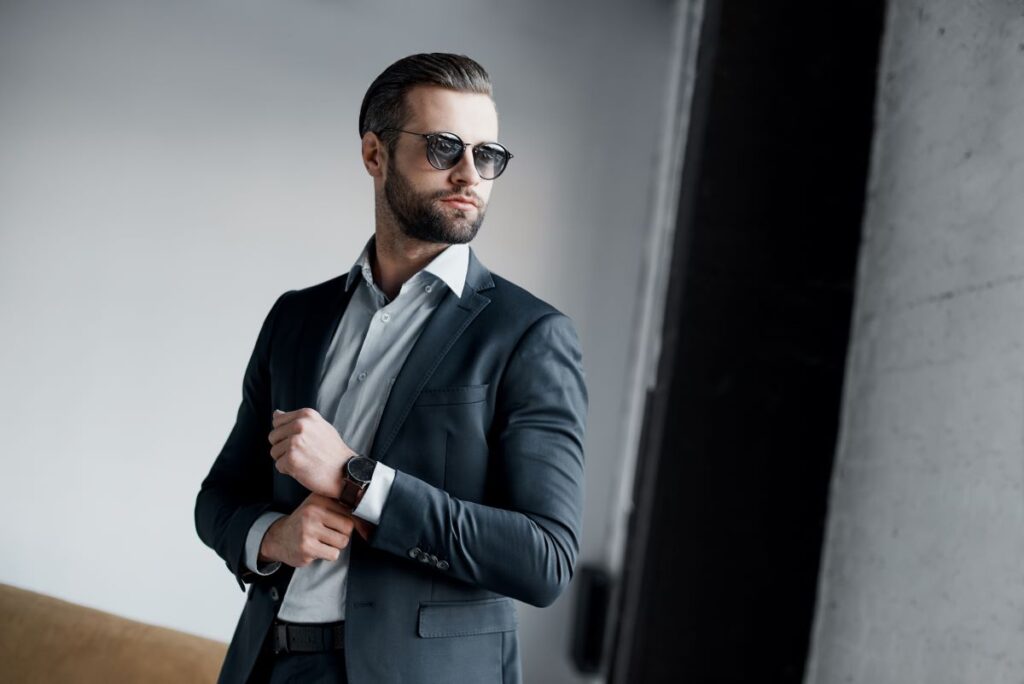
The Psychology of Clothing and Confidence
Clothing is not just fabric—it’s a form of self-expression. Psychologists call this enclothed cognition, the idea that what we wear can influence our psychological states and performance.
How Designer Brands Influence Enclothed Cognition
When we wear designer brands, our minds may interpret it as a signal of status, success, and social acceptance. This mental cue can boost confidence in several ways:
- Perceived Authority: People often respond to branded attire as a sign of professionalism and credibility.
- Self-Perception: Wearing luxury labels can make the wearer feel more capable, stylish, or influential.
- Social Feedback Loop: Compliments or recognition for designer items reinforce positive self-image.
Studies have shown that people wearing clothes associated with higher status feel more powerful and self-assured, even in tasks unrelated to fashion.

The Social Signal of Designer Brands
Beyond personal perception, designer brands serve as social signals. Humans are highly influenced by social norms, status markers, and perceived wealth. Wearing designer items can:
- Communicate success to peers
- Influence first impressions
- Align the wearer with aspirational social groups
In other words, the confidence boost may partly come from how others perceive you, not just how you feel internally.
Table: Confidence Boost From Designer Brands
| Factor | Designer Brands Effect | Confidence Impact |
|---|---|---|
| Personal perception | Feeling stylish, professional, powerful | Medium to high |
| Social recognition | Positive feedback, compliments | Medium |
| Psychological cues | Enclothed cognition | High |
| Long-term self-esteem | Limited unless reinforced by achievement | Low to medium |
Short-Term vs Long-Term Confidence
It’s important to distinguish between temporary confidence and long-term self-esteem.
- Temporary Boost: Wearing designer brands can immediately elevate mood and self-assurance, particularly in social or professional settings.
- Sustained Confidence: Long-term self-esteem requires deeper personal growth, achievements, and consistent self-acceptance. Designer brands alone cannot replace these foundations.

Emotional Benefits of Wearing Designer Brands
Wearing designer brands can evoke positive emotions beyond confidence. Luxury items often trigger feelings of pride, excitement, and accomplishment.
How Emotion Enhances Confidence
- Pride and Achievement: Owning or wearing high-end items can symbolize personal success. This feeling often translates into increased self-assurance.
- Happiness and Mood Boost: Beautiful or well-crafted clothing improves mood, which positively affects behavior and interactions.
- Motivation and Goal Reinforcement: Designer items can act as rewards for personal milestones, reinforcing motivation and personal growth.
This emotional reinforcement explains why some people feel “empowered” in designer clothes, even if their life circumstances haven’t changed.
Designer Brands and Social Situations
Social settings magnify the impact of designer brands on confidence. Here’s how:
Networking and Professional Environments
- Wearing designer brands in workplaces or professional events can create an impression of competence, credibility, and attention to detail.
- Peers may subconsciously attribute leadership qualities to individuals wearing high-status clothing.
Casual and Social Settings
- Designer items in casual settings signal taste, cultural awareness, or financial success.
- They can help reduce social anxiety and increase comfort in group interactions.
It’s important to note that confidence derived solely from brands can be situational and may diminish when removed from these social cues.
Table: Social Contexts and Designer Brand Impact
| Social Context | Designer Brand Effect | Confidence Impact |
|---|---|---|
| Workplace | Professional credibility | Medium to high |
| Networking events | Enhanced first impressions | High |
| Social gatherings | Status signaling | Medium |
| Everyday casual wear | Subtle mood boost | Low to medium |
Risks of Relying on Designer Brands for Confidence
While designer clothing can boost confidence, over-reliance has potential drawbacks:
- Material Dependence: Confidence tied solely to possessions can be fragile and temporary.
- Financial Stress: Overspending on designer items can create anxiety, undermining self-esteem.
- Social Comparison: Constantly measuring self-worth against brand ownership may reduce authentic confidence.
True, lasting confidence comes from internal achievements, skills, and self-acceptance. Designer brands should supplement, not replace, these foundations.

Practical Advice for Using Designer Brands to Boost Confidence
You don’t need to spend a fortune to leverage designer brands for confidence. Here are practical strategies:
- Invest in Key Pieces: A single luxury item like a blazer, shoes, or handbag can elevate your entire wardrobe.
- Quality Over Quantity: Well-made items that fit perfectly have a bigger psychological impact than multiple lower-quality pieces.
- Mix with Personal Style: Pair designer items with your signature style to reinforce authenticity.
- Use Designer Accessories: Watches, belts, and handbags offer subtle status cues without requiring a full luxury wardrobe.
- Mindful Wear: Wear designer items intentionally for events where confidence is important, rather than daily reliance.
By integrating designer brands mindfully, you enhance confidence while avoiding financial or psychological stress.
Table: Designer Brand Strategies for Confidence
| Strategy | Description | Impact on Confidence |
|---|---|---|
| Key luxury items | One high-end piece elevates overall appearance | High |
| Quality over quantity | Focus on craftsmanship | Medium to high |
| Mix with personal style | Maintain authenticity | Medium |
| Accessories | Subtle status signaling | Medium |
| Mindful wear | Use for special occasions | Medium to high |
Long-Term vs Short-Term Confidence with Designer Brands
Wearing designer brands can boost confidence, but the effect varies depending on whether it’s short-term or long-term.
Short-Term Confidence Boost
- Instant feeling of pride when wearing luxury items
- Social validation through compliments or recognition
- Mood elevation and motivation for specific events
Long-Term Confidence
- Dependent on internal self-worth, achievements, and skills
- Designer brands serve as supplementary tools rather than the core foundation
- Over-reliance can lead to fragile self-esteem if status cues are removed
In short, designer items are like caffeine for confidence: they give an energy boost, but sustainable strength comes from within.
Social Psychology Behind Designer Brands
Social perception amplifies the psychological impact of designer clothing. Humans are wired to respond to status cues, and designer labels act as social proof of success.
Key Social Effects
- First Impressions: Designer attire increases perceived competence and authority.
- Group Identity: Wearing recognizable brands aligns you with aspirational social groups.
- Positive Feedback Loop: Compliments and recognition reinforce confidence, creating a cycle of self-assurance.
This explains why designer brands are more impactful in social or professional contexts compared to isolated or casual use.
Cultural Perception and Global Influence
Designer brands are culturally loaded symbols. In some societies, luxury items are strongly associated with power, success, and social mobility. In others, minimalism or understated fashion may carry higher social respect.
Thus, the confidence impact of designer brands can vary based on cultural norms and individual values. Understanding these nuances ensures that clothing enhances self-esteem without creating social dissonance.
Table: Designer Brands and Confidence Across Contexts
| Context | Effect of Designer Brands | Confidence Impact |
|---|---|---|
| Corporate/professional | Authority and credibility | High |
| Social gatherings | Status signaling | Medium |
| Cultural or minimalist settings | Mixed or low impact | Low |
| Personal reflection | Mood and pride | Medium |
| Special events | Temporary boost | High |
Risks and Cautions
While designer brands can improve confidence, over-reliance may cause:
- Material dependence: Believing self-worth comes from possessions
- Financial stress: Overspending to maintain status
- Peer comparison anxiety: Feeling inadequate if others wear higher-end items
The key is to use designer brands strategically as a confidence tool, not as a replacement for personal growth.
Conclusion: Do Designer Brands Really Change Confidence?
Wearing designer brands can change confidence in meaningful ways, especially in short-term social or professional contexts.
- They provide instant pride, mood elevation, and social validation
- They amplify self-perception through enclothed cognition
- They create a positive feedback loop in social interactions
However, lasting confidence requires internal validation, skill, and personal growth. Designer brands are effective tools to enhance confidence, not substitutes for self-esteem.
Ultimately, the psychological effect of designer clothing is real, measurable, and situational, and when used wisely, it can complement personal development and social performance.
Can wearing designer brands really boost confidence
Yes. Wearing designer brands can provide a psychological and social boost, increasing self-assurance in professional and social settings through enclothed cognition and status signaling. Learn more about how audience perception interacts with critical praise in directing confidence at this internal article.
Do designer brands improve self-esteem permanently
No. Designer brands primarily offer short-term confidence. Long-term self-esteem depends on personal achievements, skills, and self-acceptance.
Why do designer brands affect social perception
Designer brands are recognized status symbols. Wearing them can influence how others perceive authority, competence, and style, which indirectly enhances the wearer’s confidence. For a deeper understanding of social impact and luxury perception, check this external reference.
Are designer brands effective for everyone
The impact varies culturally and personally. Some individuals gain confidence from luxury items, while others rely on minimalism, personal style, or achievements.
How to use designer brands to enhance confidence without overspending
Focus on key items, quality over quantity, and mindful wear. Accessories like watches, belts, and bags provide subtle status cues without financial strain.
Can designer brands make a lasting impression in professional settings
Yes. Strategic use of designer brands in interviews, meetings, and networking events can enhance perceived competence and authority, positively affecting confidence.