
Introduction
Travel has always been associated with excitement, discovery, and personal growth. People once planned trips based on guidebooks, recommendations from friends, or documentaries that presented destinations in a realistic and balanced way. Today, however, travel inspiration mostly comes from social media platforms such as Instagram, TikTok, YouTube, and Facebook.
While these platforms have made the world feel more accessible, they have also contributed to a growing problem known as Unrealistic Travel Expectations. Perfect beach photos, luxury hotel reels, drone shots of empty landmarks, and heavily edited videos often portray travel as effortless, glamorous, and stress free.
In reality, travel includes delays, crowds, budget limits, exhaustion, cultural differences, and unexpected challenges. The gap between what travelers see online and what they actually experience has become wider than ever. As a result, many people feel disappointed, frustrated, or even emotionally drained during trips that were supposed to be “dream vacations.”
This article explores how social media creates Unrealistic Travel Expectations, why these expectations affect mental well being, how influencers shape perceptions, and what travelers can do to approach journeys with healthier and more realistic mindsets.
The Rise of Social Media Travel Culture
Over the past decade, social media has transformed travel from a personal experience into a performance. Trips are no longer just about exploration. They are also about documentation, posting, and gaining validation through likes, shares, and comments.
Platforms reward visually stunning content. A simple photo of a quiet café rarely performs as well as a luxury infinity pool overlooking the ocean. This algorithm driven environment encourages creators to show only the most aesthetically pleasing moments.

Because of this, social feeds are filled with idealized versions of travel. Viewers see sunsets without the crowds, streets without noise, and destinations without chaos. Over time, these images begin shaping beliefs about what travel should look like.
This shift plays a major role in the development of Unrealistic Travel Expectations, especially among younger travelers who rely heavily on social media for planning decisions.
How Edited Content Distorts Reality
Most social media travel content goes through multiple layers of enhancement before being published. These edits may include:
Color grading to intensify skies and oceans
Removal of crowds through editing tools
Selective framing to hide trash, traffic, or construction
Filters that change lighting and mood
Although editing is not inherently wrong, it becomes problematic when audiences assume the final image reflects reality.
A destination that appears calm and empty online may actually be overcrowded and noisy in person. When travelers arrive expecting perfection, the contrast leads to disappointment. This emotional gap is a key driver of Unrealistic Travel Expectations.
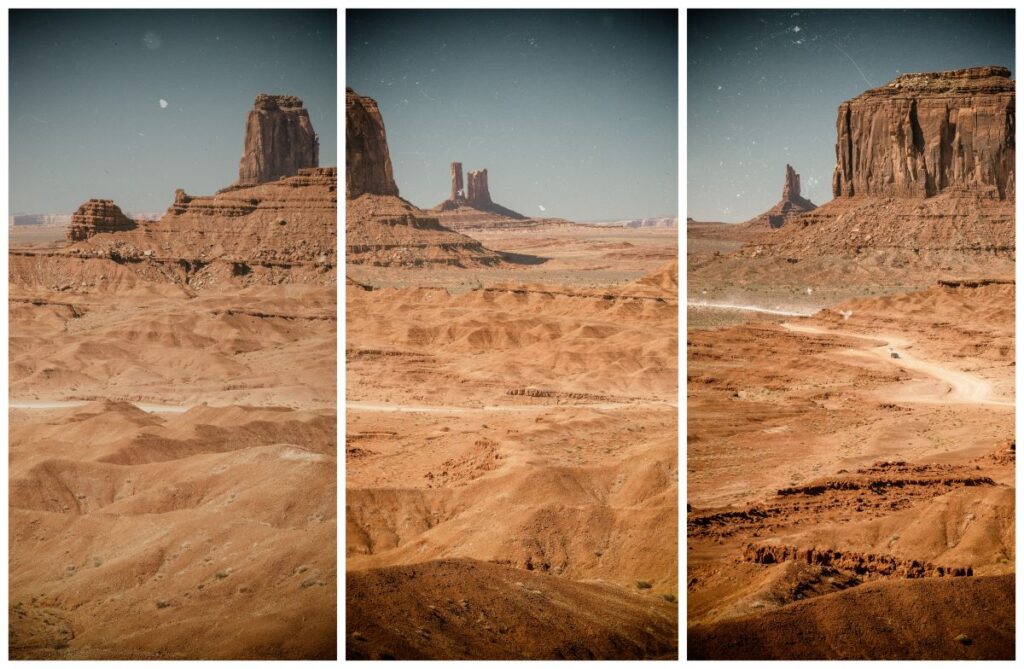
Over time, constant exposure to edited visuals trains the brain to expect cinematic beauty everywhere. When real travel does not match those visuals, people may feel that something is wrong with their trip rather than understanding that social media presented an illusion.
The Role of Influencers in Shaping Travel Perceptions
Travel influencers play a powerful role in defining modern tourism trends. Many earn income through hotel partnerships, tourism boards, airline sponsorships, and brand collaborations.
Because of this business model, influencers are often encouraged to present destinations positively at all times. Negative aspects such as long queues, expensive food, safety concerns, or uncomfortable weather conditions are rarely shown.
This selective storytelling significantly contributes to Unrealistic Travel Expectations.
Influencer content often includes phrases like:
“Hidden paradise”
“Secret place no one knows about”
“Perfect escape”
In reality, these locations are often crowded and heavily commercialized. When travelers discover the truth, they may feel misled, even though the influencer technically never lied. The omission of reality creates unrealistic assumptions.
Algorithm Pressure and the Need for Perfection
Social media algorithms reward content that looks aspirational. Posts showing struggle, exhaustion, or inconvenience tend to perform poorly.
As a result, creators often avoid showing:
Missed flights
Jet lag
Long walks
Weather problems
Budget limitations
This pressure creates a cycle where only perfection is visible. Viewers consume this content daily, gradually internalizing the belief that travel should always feel magical.
This algorithm driven perfection reinforces Unrealistic Travel Expectations, turning normal travel discomforts into perceived failures.
Comparison Culture and Travel Anxiety
One of the most damaging effects of social media is comparison. Travelers no longer compare their experiences with their own past trips but with curated online lives of strangers.
A person visiting Paris might feel dissatisfied because their photos do not look like viral reels. Someone hiking in the mountains may feel frustrated because the weather is cloudy instead of golden.
This constant comparison increases anxiety and decreases enjoyment.
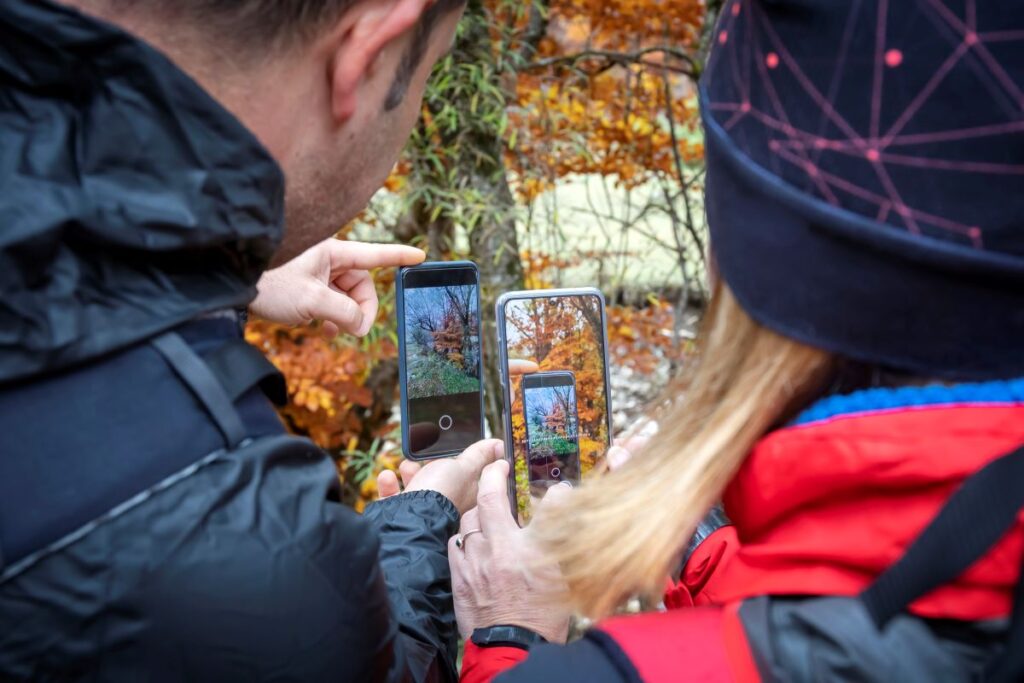
Instead of experiencing the moment, travelers may focus on recreating photos they saw online. When they cannot achieve the same result, disappointment sets in. This emotional response is deeply connected to Unrealistic Travel Expectations created online.
The Psychological Impact of Unrealistic Travel Expectations
The mental effects of unrealistic expectations are often overlooked. Travel is supposed to be refreshing, yet many people return feeling stressed or dissatisfied.
Common psychological impacts include:
Post travel disappointment
Feelings of failure
Social media envy
Reduced self confidence
Pressure to prove happiness online
When expectations are based on fantasy rather than reality, real experiences can never fully satisfy them.
Unrealistic Travel Expectations also create pressure to document everything instead of enjoying it. Travelers may spend hours searching for the perfect angle instead of immersing themselves in culture, food, and people.
The Illusion of Constant Happiness While Traveling
Social media portrays travel as a nonstop celebration. Smiling faces, perfect outfits, and flawless scenery dominate feeds.
What is rarely shown is that travel can be tiring. Long walking hours, language barriers, physical discomfort, and cultural misunderstandings are normal parts of exploration.
Yet because these moments are hidden, travelers may believe something is wrong when they feel exhausted or overwhelmed.
This illusion contributes strongly to Unrealistic Travel Expectations, making normal human emotions feel like failures.
Understanding that discomfort is part of growth can transform travel into a meaningful experience rather than a performance.
How Social Media Changes Destination Popularity
Social media can rapidly turn unknown places into overcrowded hotspots. A single viral video can bring thousands of visitors to a fragile destination.
While this may boost tourism revenue, it also leads to:
Overcrowding
Environmental damage
Rising prices
Loss of authenticity
Travelers who arrive expecting quiet beauty often encounter chaos instead. Once again, this gap reinforces Unrealistic Travel Expectations.
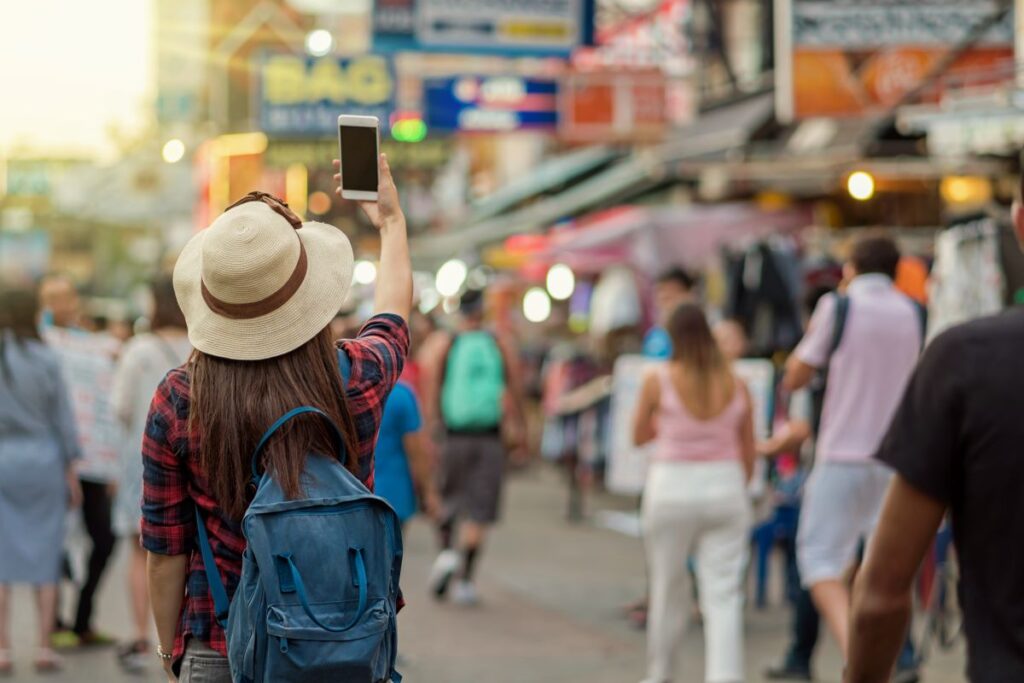
Many destinations now look better online than in real life due to heavy tourism pressure created by social media trends.
Travel Marketing Versus Reality
Tourism boards and hotels now design spaces specifically for social media. Instagrammable swings, photo frames, and curated viewpoints are built to attract attention.
While visually appealing, these experiences may feel shallow. Travelers may leave with great photos but limited cultural understanding.
This shift promotes surface level travel rather than meaningful exploration, further fueling Unrealistic Travel Expectations.
Why First Time Travelers Are Most Affected
New travelers often rely heavily on social media for planning. Without past experiences for comparison, they assume online content represents reality.
This makes first time travelers particularly vulnerable to disappointment. When their trip includes stress or inconvenience, they may feel unprepared or misled.
Learning that real travel includes both beauty and difficulty is essential for developing realistic expectations.
The Difference Between Inspiration and Illusion
Social media itself is not the enemy. It can inspire people to explore new cultures and destinations. The problem begins when inspiration turns into illusion.
Inspiration motivates curiosity. Illusion creates pressure.
Understanding this difference helps reduce Unrealistic Travel Expectations and allows travelers to approach journeys with flexibility and openness.
Conclusion
Social media has undeniably transformed the way people discover the world. With a single scroll, travelers can explore beaches, mountains, cities, and cultures across continents. While this digital access has made travel inspiration easier than ever, it has also created a powerful illusion that deeply affects how people perceive real journeys.
The rise of carefully curated feeds, edited visuals, sponsored travel content, and algorithm driven perfection has slowly shaped Unrealistic Travel Expectations. These expectations convince travelers that every trip should look cinematic, feel effortless, and deliver constant happiness. When real travel includes crowds, fatigue, unexpected expenses, or emotional ups and downs, disappointment often replaces excitement.
The problem is not travel itself but the standard placed upon it. Real travel is unpredictable by nature. It involves learning, adjusting, making mistakes, and embracing discomfort. These moments rarely make it onto social media, yet they are often the experiences that create the deepest memories and personal growth.
Unrealistic Travel Expectations also place unnecessary pressure on travelers to perform rather than experience. Instead of enjoying local culture, many feel compelled to recreate viral images or prove enjoyment online. This mindset reduces travel to content creation instead of connection, curiosity, and understanding.
By recognizing how social media influences perception, travelers can regain control over their experiences. Setting realistic goals, researching destinations beyond social platforms, and accepting imperfection allows travel to return to its true purpose. Travel is not meant to be flawless. It is meant to be meaningful.
When expectations are grounded in reality, journeys become richer. Crowds become part of the story. Delays become lessons. Unexpected moments become memories. Letting go of comparison and embracing authenticity is the key to escaping Unrealistic Travel Expectations and rediscovering the joy of exploration.
In the end, the best travel moments are often the ones that never make it online.
Frequently Asked Questions
What are Unrealistic Travel Expectations?
Unrealistic Travel Expectations occur when travelers believe trips should look perfect, stress free, and luxurious at all times based on social media content. These expectations are often formed through edited photos, influencer promotions, and curated travel reels that hide real challenges.
How does social media create unrealistic travel beliefs?
Social media highlights only the most visually appealing moments of travel while excluding crowds, fatigue, weather problems, and costs. This selective portrayal leads viewers to believe that real travel should match online perfection, which increases Unrealistic Travel Expectations.
Why do travelers feel disappointed after visiting popular destinations?
Many travelers arrive with expectations shaped by viral content. When destinations appear crowded, expensive, or less scenic than shown online, the contrast causes emotional disappointment linked directly to Unrealistic Travel Expectations.
Are travel influencers responsible for misleading travelers?
Not entirely, but influencer marketing often shows only positive experiences due to sponsorships. This incomplete storytelling can unintentionally contribute to Unrealistic Travel Expectations, especially among first time travelers.
How can travelers avoid Unrealistic Travel Expectations?
Travelers can reduce unrealistic expectations by researching destinations through multiple sources, reading real traveler reviews, understanding seasonal conditions, and approaching trips with flexibility rather than perfection.
Does unrealistic travel content affect mental health?
Yes, constant comparison can lead to anxiety, dissatisfaction, and reduced enjoyment. Unrealistic Travel Expectations may cause travelers to feel they failed even when their trip was completely normal.
Can travel still be inspired by social media in a healthy way?
Yes, social media can be used as inspiration rather than instruction. Viewing travel content as ideas instead of standards helps prevent Unrealistic Travel Expectations and encourages personal exploration.
How does this idea relate to artistic storytelling and illusion?
Much like performance art, social media travel content often presents exaggerated emotion and selective reality. This concept is explored in depth in the idea of the artistic clown, which represents how exaggerated portrayals can blur the line between truth and illusion. You can read more about it here:
https://www.svelted.com/artistic-clown/
Where can I learn more about realistic travel planning?
For practical, reality based travel advice, destination guides, and responsible tourism insights, you can explore resources such as Lonely Planet, which focuses on real world travel experiences rather than idealized portrayals.
https://www.lonelyplanet.com