
Introduction
Travel trends are evolving rapidly. While major cities and famous landmarks have always attracted tourists, modern travelers are increasingly seeking Offbeat Destinations—places that are less known, less crowded, and often culturally rich. These destinations offer unique experiences, authenticity, and a sense of discovery that traditional tourist hotspots cannot match.
The rise of social media, eco tourism, and personalized travel experiences has contributed to this trend. Travelers now prioritize immersive experiences over simply checking popular attractions off a list. Offbeat Destinations provide an opportunity to connect with local culture, enjoy nature in its raw form, and escape the crowds.
This article explores why Offbeat Destinations are gaining popularity among modern travelers, what makes them appealing, and how travelers can plan unforgettable trips to these hidden gems.
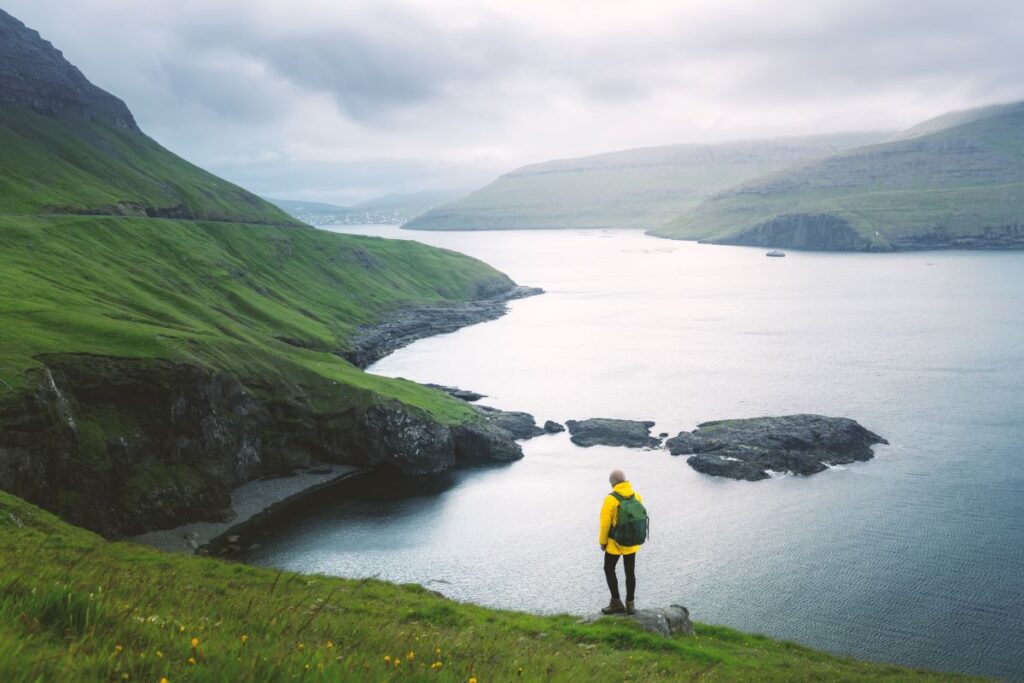
What Are Offbeat Destinations
Offbeat Destinations are locations that are relatively unknown to the mainstream tourist population. They often provide authentic experiences, untouched natural beauty, or unique cultural immersion.
Characteristics of Offbeat Destinations
- Limited tourist infrastructure
- Local cultural authenticity
- Natural and unspoiled landscapes
- Opportunities for adventure and exploration
- Often less expensive than mainstream locations
These features appeal to travelers looking for experiences beyond the typical tourist itinerary.
Why Modern Travelers Prefer Offbeat Destinations
Several factors contribute to the growing popularity of Offbeat Destinations among modern travelers.
Desire for Authentic Experiences
Mainstream destinations can feel commercialized. Offbeat Destinations offer genuine interactions with locals, traditional food, and cultural rituals.
Avoiding Crowds
Travelers seek tranquility and privacy. Offbeat Destinations provide the chance to explore without long queues or crowded streets.
Social Media Appeal
Unique and visually striking Offbeat Destinations are perfect for social media sharing. Travelers are drawn to places that offer “Instagrammable” moments away from popular spots.
Adventure and Discovery
Offbeat Destinations often involve exploration, hiking, and discovering hidden landscapes, appealing to adventure seekers.
Economic and Environmental Advantages
Traveling to Offbeat Destinations can benefit local economies and reduce environmental strain on popular tourist spots.
Supporting Local Communities
Spending in smaller destinations directly benefits local businesses and artisans.
Reducing Overcrowding in Popular Spots
Dispersing tourists to Offbeat Destinations helps prevent environmental degradation and overcrowding at major attractions.
Sustainable Travel
Visiting lesser known areas encourages responsible and sustainable tourism practices.

Popular Types of Offbeat Destinations
Offbeat Destinations can be categorized into several types based on geography, culture, and activity.
Categories of Offbeat Destinations
| Type | Examples | Key Features |
|---|---|---|
| Remote Natural | Hidden beaches, mountains, forests | Solitude, scenic beauty |
| Cultural | Small towns, villages, indigenous communities | Authentic traditions, festivals |
| Adventure | Caves, trekking routes, rivers | Exploration, thrill seeking |
| Historical | Lesser known ruins, temples, castles | Heritage and history |
| Eco Tourism | Wildlife reserves, organic farms | Sustainability, nature conservation |
How Social Media is Driving Interest in Offbeat Destinations
Social media platforms have changed the way travelers choose destinations. Stunning photography, vlogs, and travel stories from real people inspire others to seek similar experiences.
Role of Social Media
- Travel bloggers and influencers showcase hidden gems
- Platforms like Instagram and YouTube highlight offbeat locations
- Peer recommendations carry strong influence
Planning a Trip to Offbeat Destinations
Traveling to Offbeat Destinations requires more preparation than mainstream tourist spots.
Key Considerations
- Research accessibility and transportation options
- Understand local customs and languages
- Prepare for limited amenities
- Ensure safety and medical resources
Planning Table for Offbeat Destinations
| Step | Action |
|---|---|
| Research | Study maps, blogs, and local guides |
| Accommodation | Check homestays, boutique hotels, eco lodges |
| Local Culture | Learn basic language and customs |
| Packing | Prepare for limited facilities and remote locations |
| Emergency | Know nearest hospitals and communication channels |
Top Offbeat Destinations Around the World
Modern travelers are exploring unique destinations in every corner of the globe. Here are some notable Offbeat Destinations by region.
Asia
- Bhutan: Remote monasteries, Himalayan landscapes, and cultural festivals
- Sapa, Vietnam: Rice terraces, ethnic minority villages, and trekking
- Ladakh, India: High altitude deserts, Buddhist culture, and adventure trekking
Europe
- Faroe Islands: Dramatic cliffs, fjords, and sparse tourist crowds
- Colmar, France: Quaint streets, canals, and preserved medieval architecture
- Albarracín, Spain: Historic town with cobblestone streets and colorful buildings
Africa
- Lalibela, Ethiopia: Rock-hewn churches and rich history
- Bwindi Impenetrable Forest, Uganda: Gorilla trekking in lush rainforest
- Essaouira, Morocco: Coastal town with art markets and windsurfing
Americas
- Valle de Cocora, Colombia: Towering wax palms and cloud forests
- Gaspé Peninsula, Canada: Rugged coastline, wildlife, and quiet villages
- Patagonia, Argentina/Chile: Glaciers, mountains, and adventure opportunities
Oceania
- Lord Howe Island, Australia: Limited tourist numbers, coral reefs, hiking trails
- Stewart Island, New Zealand: Remote beaches, bird watching, and hiking
- Tanna Island, Vanuatu: Active volcanoes and tribal villages
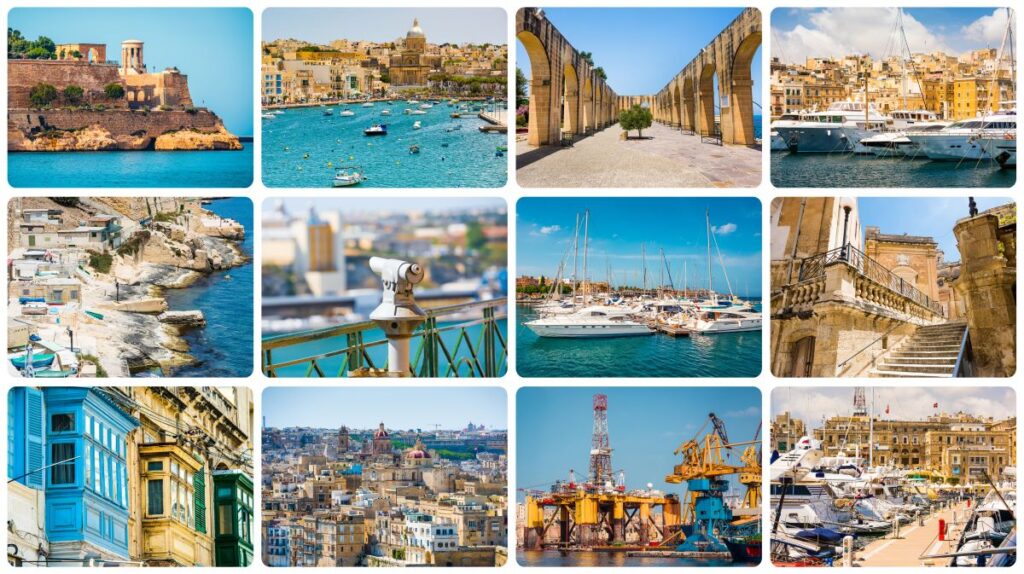
Why Travelers Choose Offbeat Destinations Over Popular Spots
Several trends are pushing modern travelers toward Offbeat Destinations:
- Search for Authenticity: Travelers want immersive cultural experiences that mass tourism cannot provide.
- Adventure and Exploration: Offbeat destinations provide a sense of discovery and challenge.
- Sustainability: Avoiding over-touristed locations helps preserve ecosystems.
- Affordability: Lesser-known destinations are often cheaper than iconic landmarks.
- Social Media Influence: Unique visuals and experiences appeal to digital storytelling.
Balancing Comfort and Adventure in Offbeat Travel
While Offbeat Destinations are appealing, planning is essential for comfort and safety.
Travel Balance Table
| Aspect | Tips for Travelers |
|---|---|
| Accommodation | Book boutique hotels, homestays, or eco lodges |
| Transportation | Research local buses, ferries, or rental options |
| Food | Try local cuisine but carry essentials if remote |
| Safety | Carry first aid kits and know nearest healthcare |
| Connectivity | Expect limited internet; plan offline maps and apps |
How to Discover New Offbeat Destinations
Finding Offbeat Destinations requires research and creativity.
Methods to Discover
- Travel Blogs: Many bloggers specialize in hidden gems and unique travel experiences.
- Local Recommendations: Asking locals can reveal secret spots not listed online.
- Social Media: Instagram, TikTok, and YouTube showcase off-the-beaten-path locations.
- Guidebooks: Specialty guidebooks focused on alternative travel experiences.
Tips for First-Time Offbeat Travelers
Traveling to Offbeat Destinations can be immensely rewarding with the right preparation.
- Pack Light and Smart: Include essentials like first aid, weather appropriate clothing, and portable chargers.
- Respect Local Customs: Learn about traditions, festivals, and social norms.
- Prepare for Limited Facilities: Not all destinations have ATMs, Wi-Fi, or medical facilities.
- Travel Insurance: Always secure coverage for remote or adventure destinations.
- Document Experiences: Carry a camera or smartphone to capture unique moments.
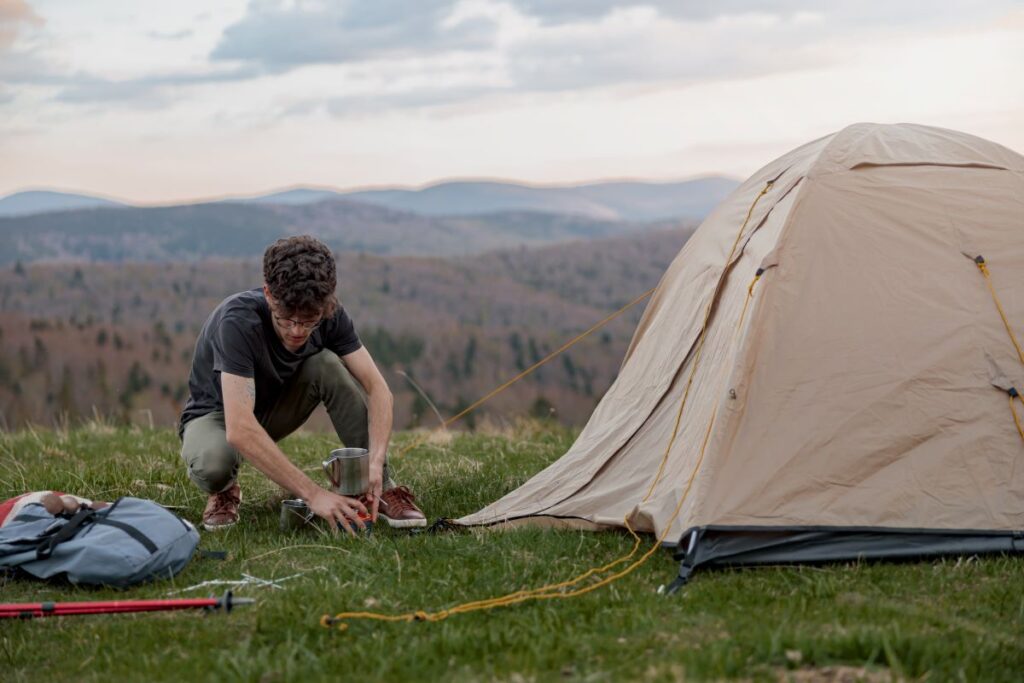
Summary of Offbeat Destinations Appeal
| Reason | Benefit to Traveler |
|---|---|
| Authenticity | Real cultural and local experiences |
| Adventure | Exploration, hiking, and discovery |
| Solitude | Avoid crowded tourist spots |
| Sustainability | Reduce environmental footprint |
| Cost Effectiveness | Affordable travel alternatives |
Final Conclusion: The Rise of Offbeat Destinations
Offbeat Destinations are becoming increasingly popular because they fulfill the modern traveler’s desire for authenticity, adventure, and unique experiences. Social media, sustainability awareness, and the search for meaningful travel are driving people toward these lesser-known locations. While mainstream attractions will always attract visitors, Offbeat Destinations offer a new level of discovery that appeals to a growing segment of travelers.
Planning carefully, respecting local cultures, and being prepared for remote conditions can turn a trip to an Offbeat Destination into an unforgettable journey. As more travelers seek experiences over convenience, Offbeat Destinations are likely to continue rising in popularity in 2026 and beyond.

What are Offbeat Destinations
Offbeat Destinations are lesser-known travel locations that offer authentic experiences, adventure, and cultural immersion away from mainstream tourist spots.
Why are Offbeat Destinations popular among modern travelers
Travelers seek unique experiences, solitude, affordability, adventure, and shareable social media moments, which Offbeat Destinations provide
How can I find Offbeat Destinations
You can discover Offbeat Destinations by exploring travel blogs, social media influencers, specialty guidebooks, and local recommendations. For insights on how locals feel about tourists in unique destinations, check this internal resource
https://www.svelted.com/how-do-locals-feel-about-tourists-in-cool-places-2/
Are Offbeat Destinations safe to visit
Many Offbeat Destinations are safe if you plan carefully, respect local customs, carry essentials, and prepare for limited facilities.
How can Offbeat Destinations benefit local communities
Traveling to Offbeat Destinations supports local businesses, artisans, and economies, while helping reduce overcrowding in mainstream tourist spots. For additional guidance on responsible tourism, see this authoritative resource
https://www.nationalgeographic.com/travel/article/responsible-tourism-guide
What types of Offbeat Destinations exist
Offbeat Destinations can include remote natural landscapes, cultural towns and villages, adventure spots, historical locations, and eco-tourism sites.
Are Offbeat Destinations cheaper than popular tourist spots
Often yes. Offbeat Destinations typically have lower accommodation and food costs, though travel expenses may vary depending on remoteness.