

For much of the twentieth century, owning a car was viewed as a practical necessity. It helped people commute to work, transport goods, and travel between cities. Today, however, Car Ownership has evolved into something far more complex and meaningful. It is no longer just about moving from one place to another. It reflects personal identity, social status, lifestyle preferences, emotional attachment, and even freedom.
In modern society, cars have become symbols of independence and self-expression. The vehicle someone drives can reveal their priorities, values, and aspirations. Whether it is a compact city car, a luxury sedan, or an electric vehicle, each choice communicates something beyond functionality.
At the same time, technological advancements, urban development, and cultural shifts are reshaping how people perceive cars. Despite the rise of ride-sharing services and public transportation, Car Ownership continues to hold strong emotional and practical significance for millions of people worldwide.
This article explores why Car Ownership means more than transportation today, examining its psychological, cultural, economic, and social importance in modern life.
The Evolution of Car Ownership Over Time

Early Days of Car Ownership
When cars were first introduced, they were considered luxury items reserved for the wealthy. Ownership represented innovation and privilege. Over time, mass production made vehicles more accessible, turning them into everyday necessities.
In the mid twentieth century, Car Ownership became closely tied to economic growth and suburban living. Families relied on cars for commuting, shopping, and leisure, making them central to daily life.
Car Ownership in the Modern Era
Today, cars are no longer just tools. They are personal spaces, mobile offices, and lifestyle extensions. Features such as infotainment systems, advanced safety technology, and customization options have transformed vehicles into personalized environments.
Modern Car Ownership blends practicality with emotional and social meaning.
Car Ownership as a Symbol of Independence
One of the strongest reasons Car Ownership remains important is independence.
Owning a car gives people control over their time and movement. They are not dependent on public schedules, ride availability, or external limitations. This sense of autonomy is especially valuable in regions where public transportation is limited.
For young adults, buying a first car often represents a milestone. It signals adulthood, responsibility, and personal freedom. For families, it represents reliability and security.
Psychological Impact of Independence
Research consistently shows that autonomy increases confidence and life satisfaction. Car Ownership contributes to this by allowing individuals to make spontaneous decisions and manage their routines freely.
Car Ownership and Personal Identity
Cars have become extensions of personal identity.
People choose vehicles based on personality traits, lifestyle needs, and social image. A sports car may represent ambition and excitement. An SUV may symbolize family focus and safety. An electric car may reflect environmental consciousness.
How Cars Reflect Identity
| Car Type | What It Commonly Represents |
|---|---|
| Luxury sedan | Status and success |
| Sports car | Performance and confidence |
| SUV | Family values and security |
| Electric vehicle | Sustainability and innovation |
| Compact car | Practicality and efficiency |
Through customization, colors, accessories, and technology choices, Car Ownership becomes deeply personal.
Emotional Connection With Cars
Unlike most consumer products, cars often create emotional bonds with their owners.
People associate vehicles with life memories such as road trips, first jobs, family moments, and personal achievements. This emotional attachment explains why many owners feel reluctant to sell their cars even when newer models are available.
Why Emotional Attachment Matters
Emotional connection increases perceived value. A car is not just metal and machinery. It becomes part of a person’s story.
This emotional dimension strengthens the meaning of Car Ownership beyond transportation.
Car Ownership and Social Status
Social perception plays a major role in how people view cars.
In many cultures, the type of car someone owns influences how they are perceived by others. While this varies by region and social group, vehicles still carry symbolic weight.
Social Influence Factors
Professional image
Economic stability
Lifestyle aspirations
Cultural expectations
Although society is slowly shifting toward valuing experiences over possessions, Car Ownership continues to function as a visible marker of achievement for many individuals.
Practical Value of Car Ownership in Daily Life
Despite evolving meanings, practicality remains a major reason people choose Car Ownership.
Cars offer unmatched convenience for:
Daily commuting
Emergency situations
Family responsibilities
Long distance travel
Transporting goods
In areas with limited public transport, owning a car is not a luxury but a necessity.
Economic Perspective of Car Ownership
Cost Versus Value
While cars involve significant costs, many owners consider them worthwhile investments due to long-term benefits.
| Expense Category | Description |
|---|---|
| Purchase cost | Initial buying price |
| Maintenance | Repairs and servicing |
| Fuel or charging | Ongoing energy costs |
| Insurance | Financial protection |
| Depreciation | Value reduction over time |
However, the value gained from independence, time savings, and reliability often outweighs the financial costs.
Car Ownership and Lifestyle Flexibility
Cars support modern lifestyles that require adaptability.
From balancing work and family to managing multiple responsibilities, Car Ownership provides flexibility that alternative transport options cannot always match.
For professionals, cars enable efficient time management. For parents, they ensure safety and control. For travelers, they allow exploration beyond fixed routes.
Cultural Differences in Car Ownership Meaning
The meaning of Car Ownership varies across cultures.
In some countries, cars represent success and aspiration. In others, they symbolize practicality and necessity. Cultural values shape how people relate to their vehicles.
Urban areas may view cars as optional, while rural regions consider them essential.
Car Ownership in the Age of Technology
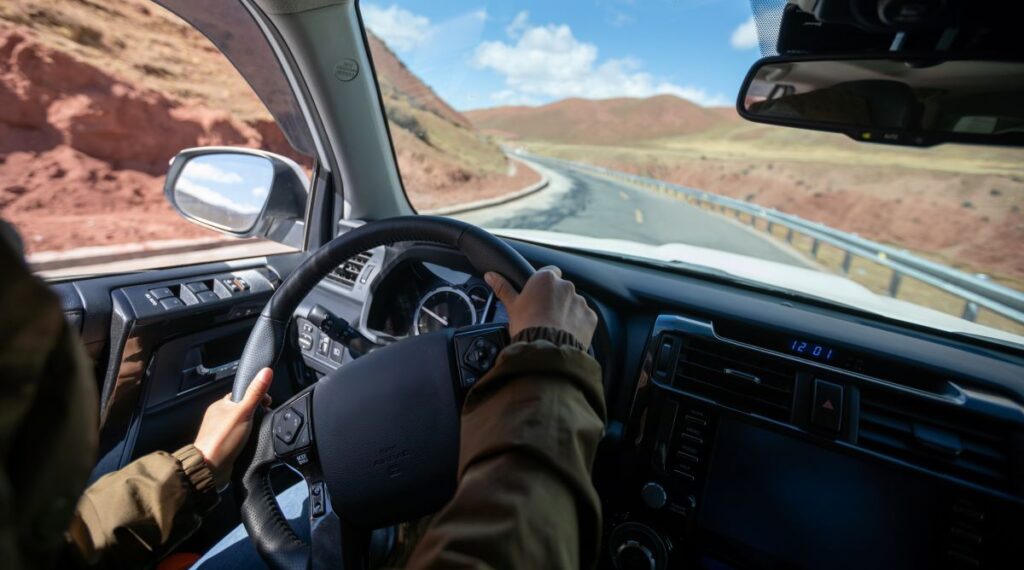
Technology has dramatically transformed how people experience Car Ownership. Modern vehicles are no longer simple machines designed only for driving. They are intelligent systems equipped with advanced software, connectivity features, and safety technologies that enhance daily life.
Today’s cars function as smart devices on wheels. Features such as navigation systems, voice control, driver assistance, and mobile integration have turned vehicles into personalized digital spaces.
For many owners, their car now serves as:
A mobile workspace
A private relaxation zone
A connected entertainment hub
A safety focused environment
This technological evolution has strengthened emotional and functional attachment, making Car Ownership even more significant.
The Rise of Electric Vehicles and Its Impact on Car Ownership
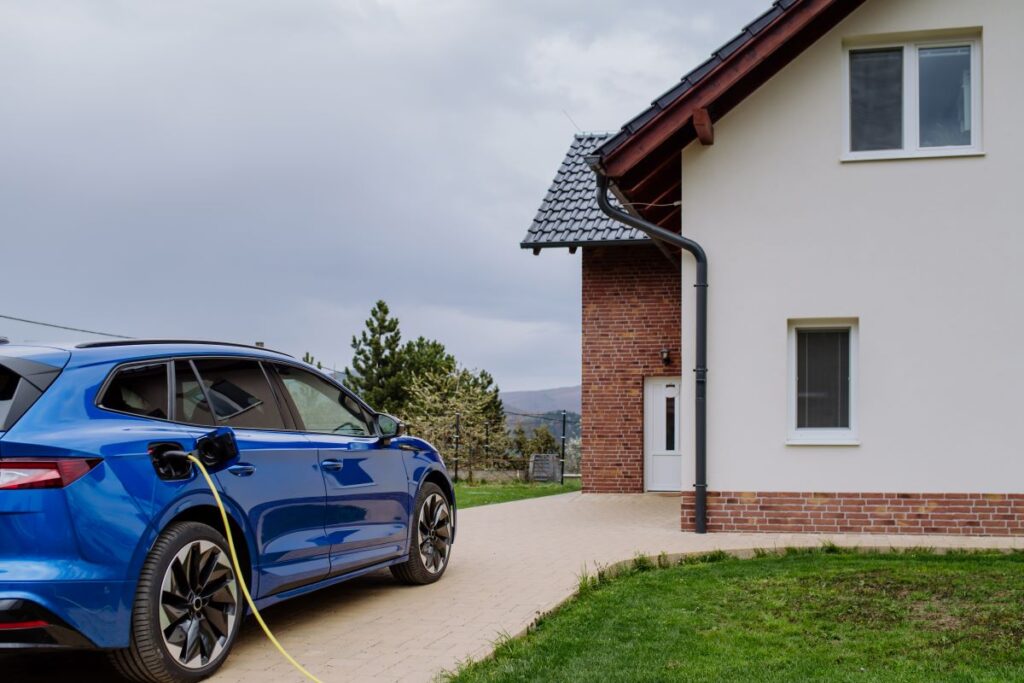
Electric vehicles have reshaped perceptions of Car Ownership worldwide. While traditional cars emphasized power and fuel efficiency, electric vehicles highlight sustainability, innovation, and responsibility.
Owning an electric car often reflects environmental awareness and forward thinking values. Many buyers choose electric vehicles not only for cost savings but also to align with their personal beliefs.
Comparison Between Traditional and Electric Car Ownership
| Aspect | Traditional Vehicles | Electric Vehicles |
|---|---|---|
| Energy source | Fuel based | Electricity |
| Environmental impact | Higher emissions | Lower emissions |
| Maintenance | Frequent servicing | Reduced servicing |
| Noise level | Louder | Quieter |
| Ownership identity | Performance driven | Sustainability focused |
Electric vehicles are redefining Car Ownership as a conscious lifestyle choice rather than a routine purchase.
Car Ownership Versus Ride Sharing Services
The growth of ride sharing platforms sparked debate about the future of Car Ownership. While these services offer convenience, they have not replaced the deeper value of owning a car.
Ride sharing works well for occasional use but lacks consistency, privacy, and emotional connection.
Key Differences
| Factor | Car Ownership | Ride Sharing |
|---|---|---|
| Availability | Always accessible | Dependent on drivers |
| Privacy | Full control | Shared environment |
| Cost over time | Predictable | Variable |
| Emotional value | Strong | Minimal |
| Flexibility | Unlimited | Restricted |
For many people, especially families and professionals, Car Ownership remains the more reliable and empowering option.
Environmental Responsibility and Car Ownership
Environmental concerns have influenced how people approach Car Ownership. While cars contribute to emissions, modern ownership emphasizes responsibility rather than excess.
Many owners now prioritize:
Fuel efficient models
Electric and hybrid vehicles
Regular maintenance to reduce emissions
Eco friendly driving habits
Rather than abandoning car ownership entirely, people are redefining it in a more sustainable way.
Car Ownership and Safety Perception
Safety is another reason Car Ownership holds strong value.
Owning a car allows individuals to maintain control over hygiene, security, and vehicle condition. This became especially important in recent years when personal safety concerns increased globally.
Parents often prefer personal vehicles to ensure their children’s safety. Professionals value reliability during emergencies.
Modern safety features such as lane assistance, collision detection, and adaptive cruise control further enhance confidence in Car Ownership.
Generational Attitudes Toward Car Ownership
Different generations view Car Ownership through unique perspectives.
Baby Boomers
For older generations, owning a car represents stability and success. It remains a symbol of lifelong achievement.
Millennials
Millennials view Car Ownership as a balance between necessity and value. While they embrace alternatives, many still prioritize ownership for flexibility and family needs.
Generation Z
Younger generations initially delayed ownership but are increasingly returning to it as lifestyles evolve. Once career stability increases, Car Ownership regains importance.
Generational Comparison Table
| Generation | View on Car Ownership |
|---|---|
| Baby Boomers | Status and necessity |
| Millennials | Practical value and lifestyle |
| Generation Z | Convenience and independence |
Despite changing attitudes, Car Ownership remains relevant across all age groups.
Car Ownership and Urban Living
Urbanization has changed transportation options, but Car Ownership still plays a crucial role.
While cities offer public transport, cars provide flexibility for:
Suburban commuting
Weekend travel
Emergency mobility
Family transportation
Urban residents increasingly choose compact and electric vehicles that align with city living while preserving independence.
The Emotional Security of Car Ownership
Beyond convenience, Car Ownership offers emotional security.
Knowing that transportation is always available reduces stress and uncertainty. This reliability contributes to mental peace, especially during unpredictable situations.
For many, owning a car means preparedness and confidence.
The Future of Car Ownership in a Changing World
As cities become smarter and technology continues to evolve, many people question whether Car Ownership will remain relevant. The reality is that ownership is not disappearing. It is adapting.
Future car ownership will focus less on excess and more on efficiency, sustainability, and personalization. Vehicles are becoming smarter, safer, and more integrated into daily digital life.
Upcoming trends shaping Car Ownership include:
Electric and hybrid dominance
Autonomous driving support
Subscription based ownership models
Smart city integration
Advanced safety and AI systems
Rather than losing value, Car Ownership is becoming more aligned with modern lifestyles.
Car Ownership and Smart Cities
Smart cities are designed to improve mobility, reduce congestion, and enhance living standards. In this environment, Car Ownership evolves instead of fading.
Cars will communicate with infrastructure such as traffic systems, parking facilities, and energy grids. Owners will benefit from:
Real time traffic optimization
Smart parking assistance
Efficient charging networks
Reduced travel stress
Smart cities support responsible Car Ownership, not its elimination.
Economic Stability and Car Ownership
Owning a car still plays a key role in economic participation.
For many professions, a personal vehicle directly affects income potential. Sales professionals, delivery services, freelancers, and small business owners rely heavily on cars.
Economic Impact Table
| Aspect | Impact of Car Ownership |
|---|---|
| Employment access | Expanded job opportunities |
| Time efficiency | Reduced commuting time |
| Income potential | Increased flexibility |
| Business growth | Reliable mobility |
| Financial planning | Long term asset control |
This practical economic value reinforces why Car Ownership remains essential for many households.
Car Ownership and Family Life
Family responsibilities significantly increase the importance of Car Ownership.
Cars provide safety, control, and convenience for parents managing school routines, healthcare visits, and daily errands.
Parents value:
Child safety features
Personal hygiene control
Emergency readiness
Comfort during travel
For families, Car Ownership represents protection and stability rather than luxury.
Environmental Responsibility and the Future of Car Ownership
Modern Car Ownership is increasingly tied to environmental awareness.
Instead of rejecting cars, society is shifting toward responsible ownership. This includes:
Choosing low emission vehicles
Maintaining cars efficiently
Using vehicles purposefully
Supporting electric mobility
This shift allows car ownership to coexist with sustainability goals.
Car Ownership Versus Public Transportation
Public transport plays an important role, but it does not replace the personal benefits of Car Ownership.
Comparison Table
| Factor | Public Transport | Car Ownership |
|---|---|---|
| Schedule control | Fixed | Flexible |
| Privacy | Limited | Full |
| Comfort | Shared | Personalized |
| Accessibility | Location dependent | Universal |
| Emergency use | Limited | Immediate |
Many people combine both options, but ownership remains the backbone of mobility.
Why Car Ownership Is Still a Personal Choice
Despite technological alternatives, Car Ownership remains deeply personal.
People do not buy cars only because they need transportation. They buy them because cars represent independence, comfort, and control over their lives.
Ownership allows individuals to move on their own terms, maintain privacy, and feel secure.
This emotional dimension ensures that Car Ownership continues to hold value beyond practicality.
Challenges of Modern Car Ownership and How to Manage Them
While meaningful, Car Ownership comes with challenges.
Common Challenges and Solutions
| Challenge | Solution |
|---|---|
| Rising costs | Choose fuel efficient or electric models |
| Urban congestion | Compact cars and smart navigation |
| Environmental concerns | Sustainable driving habits |
| Maintenance expenses | Regular servicing |
| Parking limitations | Smart city parking solutions |
Addressing these challenges makes ownership more manageable and rewarding.
Why does Car Ownership still matter in modern society
Car Ownership matters because it offers independence, flexibility, emotional security, and practical convenience that alternative transport options cannot fully replace.
Is Car Ownership more about lifestyle than transportation
Yes, modern Car Ownership reflects lifestyle, identity, and personal values in addition to transportation needs.
How is technology changing Car Ownership
Technology enhances Car Ownership through smart features, safety systems, connectivity, and electric mobility, making cars more personalized and efficient.
Will electric vehicles replace traditional Car Ownership
Electric vehicles are transforming Car Ownership, not replacing it. They represent a sustainable evolution of ownership rather than its end.
Is Car Ownership necessary in cities
Even in cities, Car Ownership provides flexibility for families, professionals, emergencies, and travel beyond public transport routes.
How can Car Ownership be environmentally responsible
Car Ownership becomes responsible through electric vehicles, fuel efficiency, proper maintenance, and mindful usage.
Does Car Ownership still symbolize success
While perceptions vary, Car Ownership still represents independence, stability, and personal achievement for many people.
Conclusion
In today’s world, Car Ownership means far more than transportation.
It represents freedom of movement, personal identity, emotional security, and lifestyle control. While technology and urban development continue to evolve, ownership adapts rather than disappears.
Cars are no longer just tools. They are personal spaces, economic enablers, and symbols of independence.
As society seeks balance between convenience, sustainability, and individuality, Car Ownership remains a meaningful and relevant choice.
The road ahead may change, but the value of owning one’s journey remains the same.
Is buying a used luxury car a smart part of Car Ownership for value seekers
For many people, Car Ownership isn’t just about getting from point A to point B; it’s also about making smart financial decisions that align with lifestyle and long-term value. Buying a used luxury car can be a strategic approach within Car Ownership because it often provides premium features, comfort, and brand prestige at a lower cost compared to new models. If you want a deeper analysis on this topic, check out this detailed guide on whether buying a used luxury car is a smart financial decision: https://www.svelted.com/is-buying-a-used-luxury-car-smart-financial-decision/. Understanding resale values, depreciation, maintenance costs, and long-term ownership expenses can help you determine whether a used luxury vehicle enhances your Car Ownership experience while balancing both emotional and practical benefits.