
Fashion trends come and go at a rapid pace. One season it is oversized silhouettes, the next it is minimalist tailoring. While trends dominate runways and social media, many people are quietly stepping away from them. Instead, they are choosing something far more enduring: Personal Style. Personal Style allows individuals to express who they are without being controlled by seasonal fashion cycles.
This article explores how Personal Style influences fashion choices, why it matters more than trends, and how you can build a wardrobe that reflects your identity rather than the latest hype.
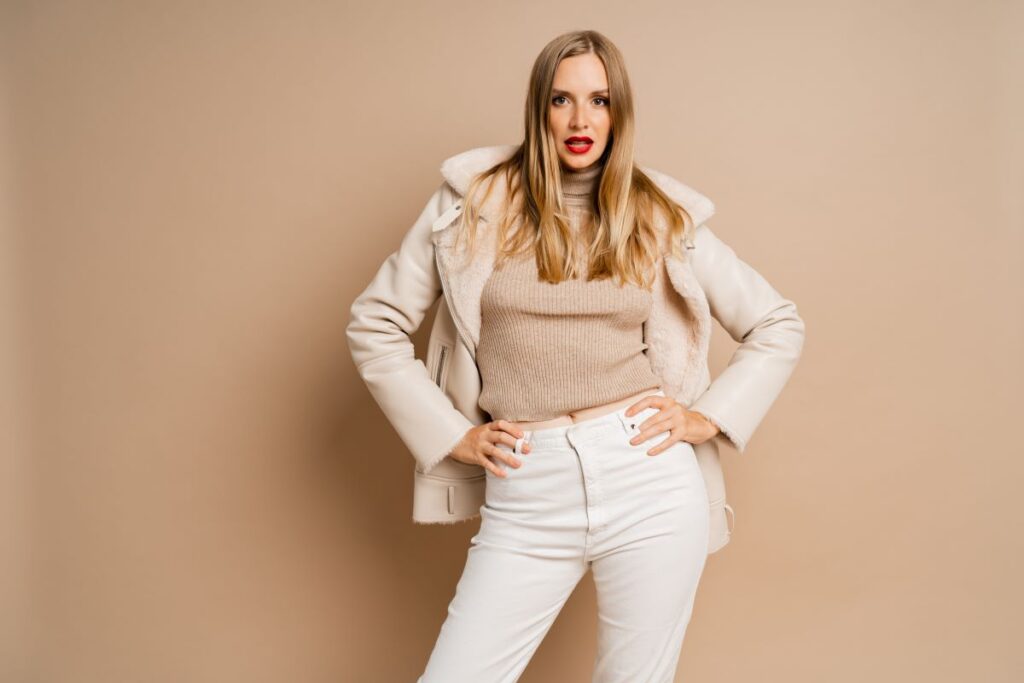
Understanding What Personal Style Really Means
Personal Style is not about copying influencers or wearing what designers dictate each season. It is a visual language that communicates personality, values, lifestyle, and comfort. Unlike trends, Personal Style evolves slowly and intentionally.
At its core, Personal Style is shaped by:
- Your daily routines and environment
- Cultural background and experiences
- Comfort preferences
- Emotional connection to clothing
- Practical needs such as work, climate, and mobility
When fashion aligns with Personal Style, clothing becomes effortless rather than stressful.
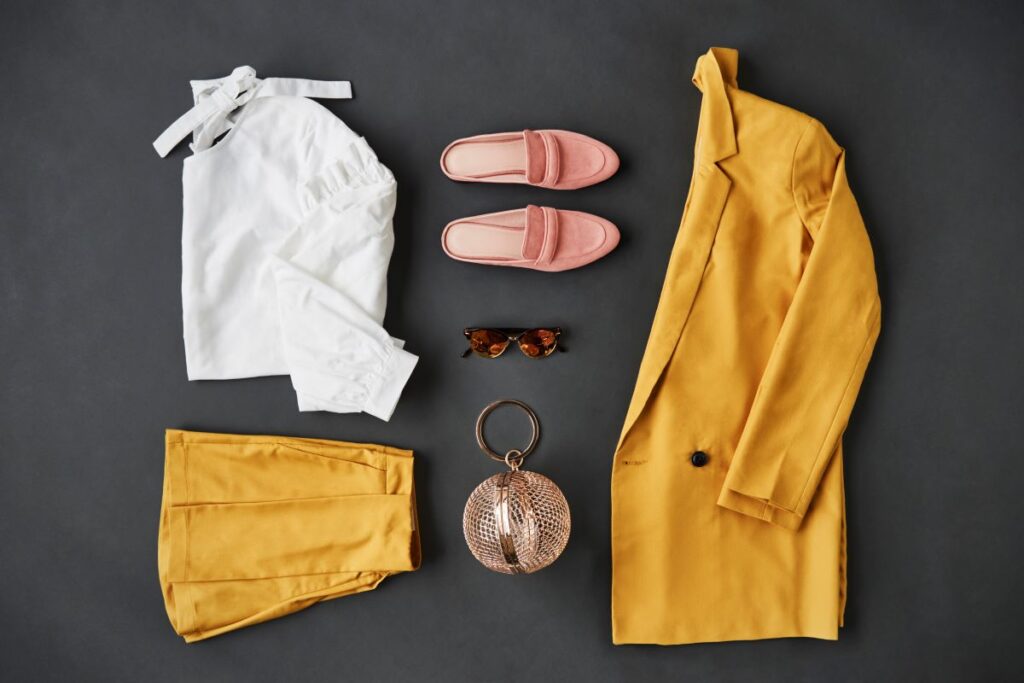
Why Following Trends Often Fails to Create Confidence
Trends are designed for mass appeal, not individuality. While they can be exciting, they often create pressure to constantly buy, replace, and adapt.
Problems with trend based fashion
- Trends are short lived and expensive to maintain
- Not every trend flatters every body type
- Trend driven wardrobes often feel disconnected
- Overconsumption leads to clutter and dissatisfaction
In contrast, Personal Style offers stability. When you know what works for you, fashion becomes empowering rather than overwhelming.
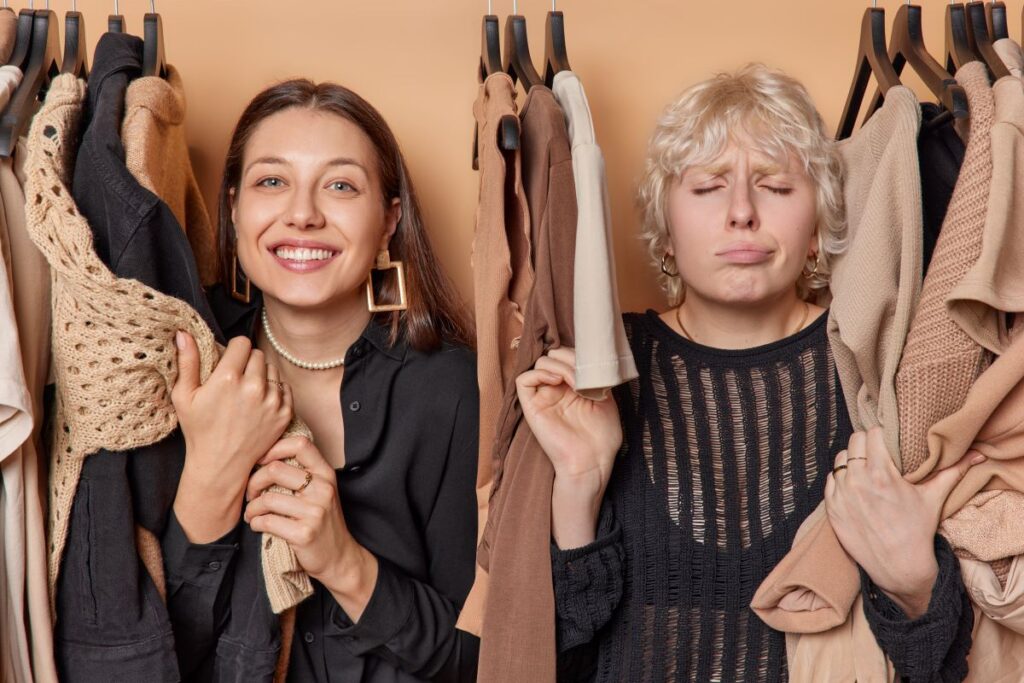
How Personal Style Shapes Fashion Choices Naturally
Personal Style acts as a filter. Instead of asking “Is this trending?” you ask “Does this feel like me?”
This shift changes how you shop, dress, and perceive fashion.
Personal Style influences:
- Color palettes you consistently choose
- Silhouettes that feel most comfortable
- Fabrics and textures you enjoy wearing
- Accessories that feel authentic
- Overall outfit composition
When Personal Style leads, trends become optional instead of essential.
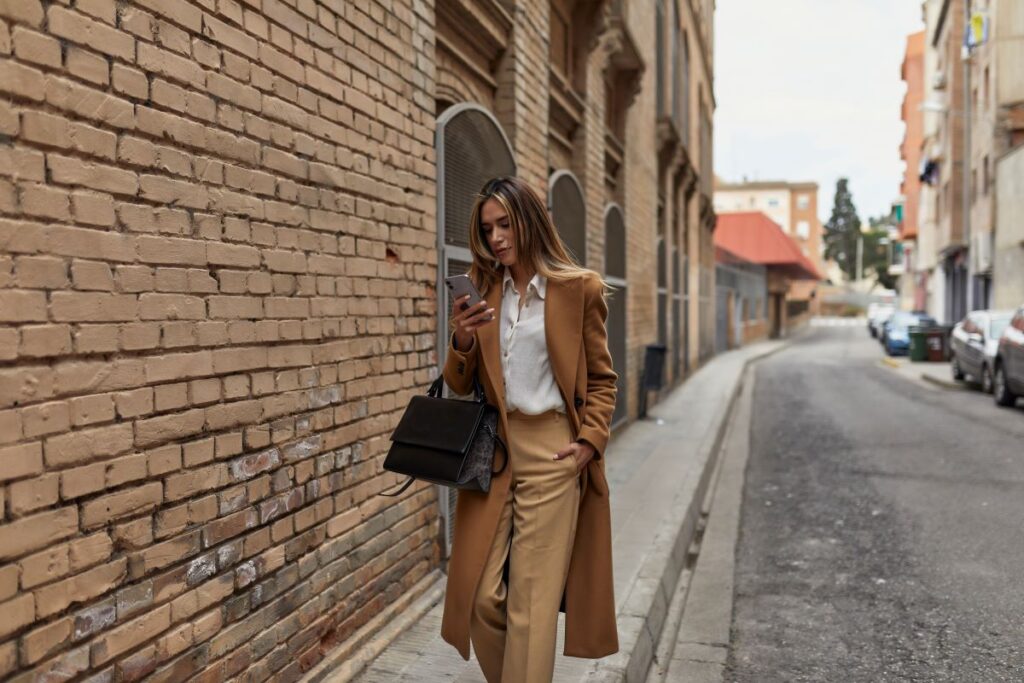
The Psychological Connection Between Personal Style and Identity
Clothing is deeply psychological. Studies show that what we wear affects confidence, posture, and even decision making. Personal Style strengthens this connection by aligning appearance with inner identity.
When fashion reflects Personal Style:
- Confidence increases
- Decision fatigue decreases
- Self expression feels natural
- Social pressure weakens
People who dress according to Personal Style often report feeling more authentic and emotionally grounded.
Trend Following vs Personal Style: A Clear Comparison
| Aspect | Trend Driven Fashion | Personal Style Driven Fashion |
|---|---|---|
| Longevity | Short term | Long term |
| Cost | High over time | Cost effective |
| Confidence | Inconsistent | Stable |
| Identity | External validation | Self expression |
| Sustainability | Often wasteful | More sustainable |
This comparison highlights why Personal Style is becoming more relevant in modern fashion culture.
How to Identify Your Personal Style Without Trends
Finding Personal Style does not require abandoning fashion entirely. It requires awareness.
Step 1: Analyze What You Already Love
Look at your most worn outfits. Patterns will emerge in color, fit, and fabric.
Step 2: Understand Your Lifestyle
Your Personal Style should support your daily life, not fight it. A corporate job, creative work, or remote lifestyle all shape clothing needs differently.
Step 3: Separate Inspiration from Imitation
Use inspiration for ideas, not replication. Adapt looks to your Personal Style rather than copying them exactly.
Step 4: Focus on How Clothes Make You Feel
Comfort and confidence are key indicators that clothing aligns with Personal Style.
Why Personal Style Is More Sustainable Than Trends
Fast fashion thrives on trends, while Personal Style encourages intentional purchasing. When people buy fewer but better items, waste decreases.
Benefits of Personal Style for sustainability:
- Reduced impulse buying
- Longer clothing lifespan
- Higher quality investment pieces
- Ethical consumption habits
Personal Style aligns naturally with slow fashion principles, making it both stylish and responsible.
The Role of Timeless Pieces in Personal Style
Timeless clothing acts as the foundation of Personal Style. These pieces do not rely on trends and remain relevant for years.
Examples of timeless items:
- Well fitted jackets
- Neutral trousers or denim
- Simple footwear
- Classic outerwear
- Minimal accessories
Once these basics are in place, small trend elements can be added selectively without overpowering Personal Style.
How Personal Style Adapts Without Losing Identity
Personal Style is not static. It evolves as life changes, but the core identity remains intact.
Life changes that influence Personal Style:
- Career transitions
- Age and lifestyle shifts
- Climate or location changes
- Personal growth
The key difference is intention. Changes are conscious, not reactive to trends.
Why Social Media Is Shifting Toward Personal Style
Audiences are becoming fatigued with repetitive trend content. As a result, creators who showcase authentic Personal Style are gaining more engagement.
Reasons for this shift:
- Viewers seek relatability
- Authenticity builds trust
- Personal Style feels aspirational yet realistic
- Trend fatigue is growing
This shift proves that Personal Style resonates more deeply than trend chasing.
Common Myths About Personal Style
Myth 1: Personal Style Is Boring
In reality, Personal Style is expressive and unique when fully developed.
Myth 2: You Must Ignore Trends Completely
Personal Style allows selective trend adoption, not blind following.
Myth 3: Personal Style Is Expensive
It actually saves money by reducing unnecessary purchases.
How Personal Style Improves Daily Decision Making
When Personal Style is clear, getting dressed becomes faster and easier. Wardrobes become cohesive instead of chaotic.
Daily benefits include:
- Faster outfit choices
- Less stress
- Increased confidence
- Consistent appearance
This practicality is one reason Personal Style is becoming more valued than trends.
Personal Style in a World Obsessed With Trends
Trends will always exist, but they no longer define style authority. Personal Style empowers individuals to decide what fashion means for them.
When Personal Style leads:
- Fashion becomes personal, not performative
- Clothing supports identity instead of replacing it
- Trends become tools, not rules
This mindset represents the future of fashion.
Final Thoughts
Personal Style is not about rejecting fashion. It is about reclaiming control. In a world driven by trends, choosing Personal Style is an act of confidence, sustainability, and self respect. When you dress according to who you are rather than what is trending, fashion becomes meaningful again.
Frequently Asked Questions About Personal Style
1. What is personal style in fashion?
Personal Style refers to the unique way an individual expresses themselves through clothing, colors, and accessories. Unlike trends, Personal Style is shaped by lifestyle, comfort, personality, and long-term preferences rather than what is currently popular.
2. Can personal style exist without following fashion trends?
Yes, Personal Style can exist completely independently of trends. Many people build a wardrobe based on timeless pieces and consistent aesthetics, allowing them to dress confidently without constantly updating their clothes according to seasonal fashion changes.
3. How does personal style influence daily fashion choices?
Personal Style simplifies decision-making by guiding what looks and feels right for you. When your wardrobe reflects your Personal Style, choosing outfits becomes easier, more intentional, and aligned with your identity rather than external pressure.
4. Why is personal style more sustainable than trend-based fashion?
Personal Style encourages buying fewer, higher-quality pieces that last longer. This reduces waste, limits impulse purchases, and supports a more sustainable approach to fashion compared to fast-changing trends.
5. Is personal style subjective like opinions in art or film?
Absolutely. Just as creative fields often involve differing viewpoints, fashion preferences are deeply personal. Similar to how creative disagreements exist in cinema, as discussed in Critics vs Filmmakers: Why Directors and Reviewers See Movies Differently, Personal Style reflects individual interpretation rather than universal rules.
https://www.svelted.com/critics-vs-filmmakers-why-directors-and-reviewers-see-movies-differently/
6. How can someone develop their personal style over time?
Developing Personal Style takes experimentation, self-reflection, and consistency. Observing what makes you feel confident, comfortable, and authentic is more important than copying others. Fashion experts at Vogue also emphasize individuality as the foundation of long-lasting style:
https://www.vogue.com/fashion
7. Does personal style change with age or lifestyle?
Yes, Personal Style can evolve as responsibilities, environments, and priorities change. However, the core elements often remain consistent, adapting naturally rather than being forced by trends.